
Electrical safety can feel confusing, especially when terms like AFCI and GFCI appear on an inspection report. Both types of protection help reduce risk, but they address different electrical hazards. Many homes in Naperville and surrounding Illinois communities have a mix of old wiring, newer outlets, added circuits, and remodeled rooms, which is why missing or outdated protection shows up so often during a home inspection.
This guide explains the difference between AFCI and GFCI protection, why each one matters for your home, and what inspectors look for during an electrical review. By understanding these devices, homeowners can make safer choices and know what upgrades may be worth considering.
Why AFCI and GFCI Protection Both Matter
AFCI and GFCI devices help reduce two major electrical risks: fire hazards and shock hazards. While they work differently, they support each other and make the home safer in everyday situations.
Data from electrical safety organizations shows:
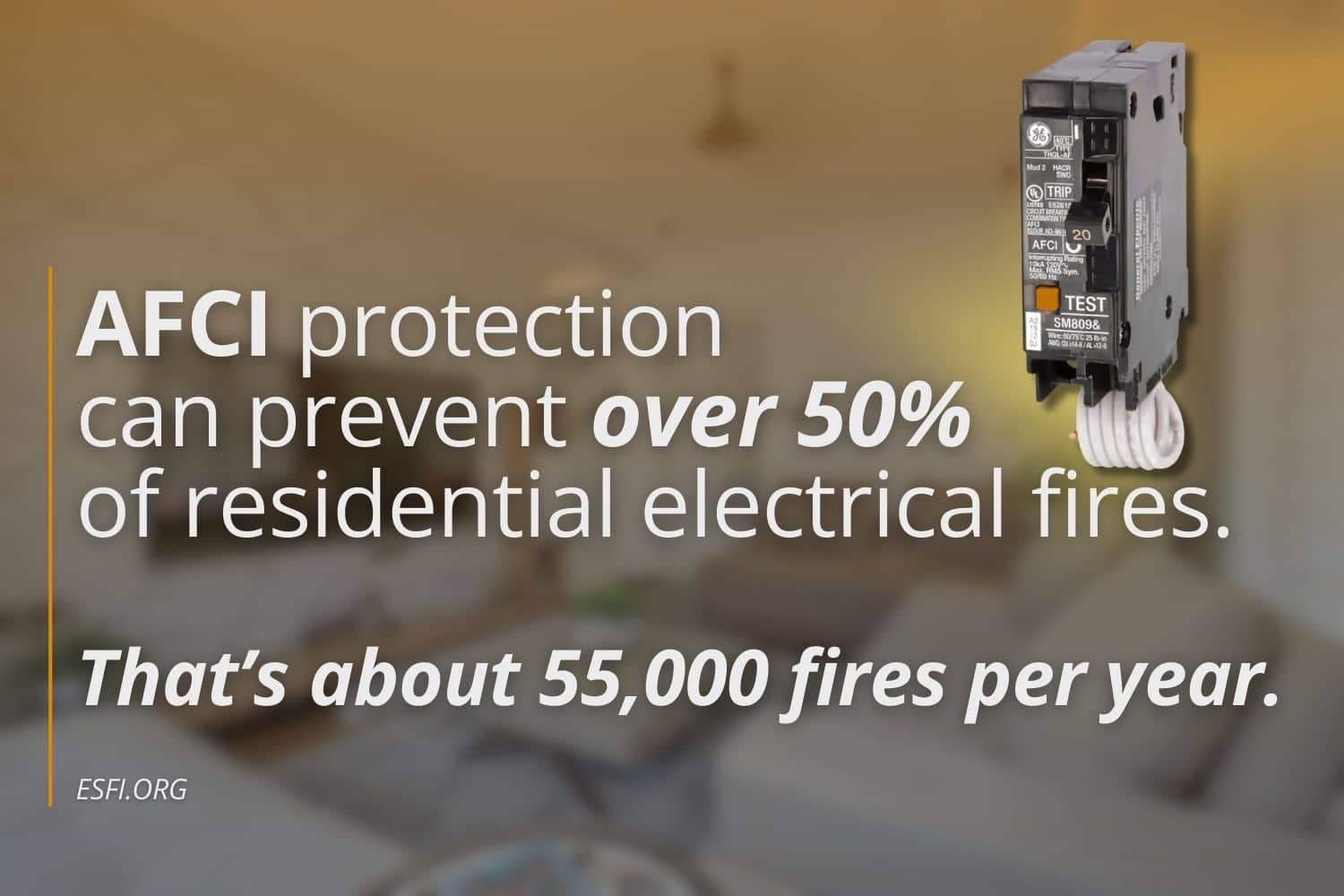
- Faulty wiring and electrical failures cause thousands of home fires every year in the United States. Many are linked to arc faults.
- The Electrical Safety Foundation International reports that hundreds of shock-related injuries occur each year, often in areas with moisture.
- Modern AFCI and GFCI protection significantly lowers the chance of these events by shutting off power before a dangerous condition can escalate.
Homes in the Naperville area often have mixed electrical systems due to renovations, additions, or older wiring that has been reused over time. This makes consistent protection especially important. Even if a home looks updated, parts of the wiring behind the walls may be original, and protection devices help reduce the risks that come with aging electrical components.
Inspectors highlight AFCI and GFCI issues not to alarm homeowners, but to help them understand safety gaps and decide whether improvements make sense for their home and lifestyle.
What AFCI Protection Does
AFCI stands for Arc-Fault Circuit Interrupter.
Its job is to detect arcing, which is a type of electrical sparking. Arcing is one of the leading causes of electrical fires and can happen without visible signs.
Arcing can occur when:
- A wire loosens behind an outlet
- A cord is pinched under furniture
- A nail or screw pierces a wire inside a wall
- Rodents chew on wiring
- Old cords or plugs wear out
AFCI breakers monitor for early signs of these problems. When they sense dangerous arcing, they cut power before heat can build up inside the wall.
Where is AFCI Protection Found?
Most modern electrical standards require AFCI protection in:
- Bedrooms
- Living rooms
- Dining rooms
- Hallways
- Finished basements
- Many general-purpose outlets and lighting circuits
Older homes may only have AFCI protection in limited areas, often based on when they were built or remodeled. Inspectors note missing AFCI devices, so homeowners understand current expectations.
What GFCI Protection Does
GFCI stands for Ground Fault Circuit Interrupter.
It protects people from shock. A ground fault happens when electricity leaves its normal path, often because water or moisture has created a new route for the electricity to travel.
GFCI devices sense even tiny changes in electrical flow and shut off power immediately.
They are required in locations where water and electricity may meet, including:
- Bathrooms
- Kitchens
- Garages
- Laundry rooms
- Outdoors
- Unfinished basements
- Crawlspaces
- Utility rooms
GFCI protection greatly reduces the risk of shock near sinks, appliances, and outdoor outlets. Naperville homes with older kitchens or outdoor entertainment spaces often benefit from upgraded GFCI coverage.
Key Difference Between AFCI and GFCI
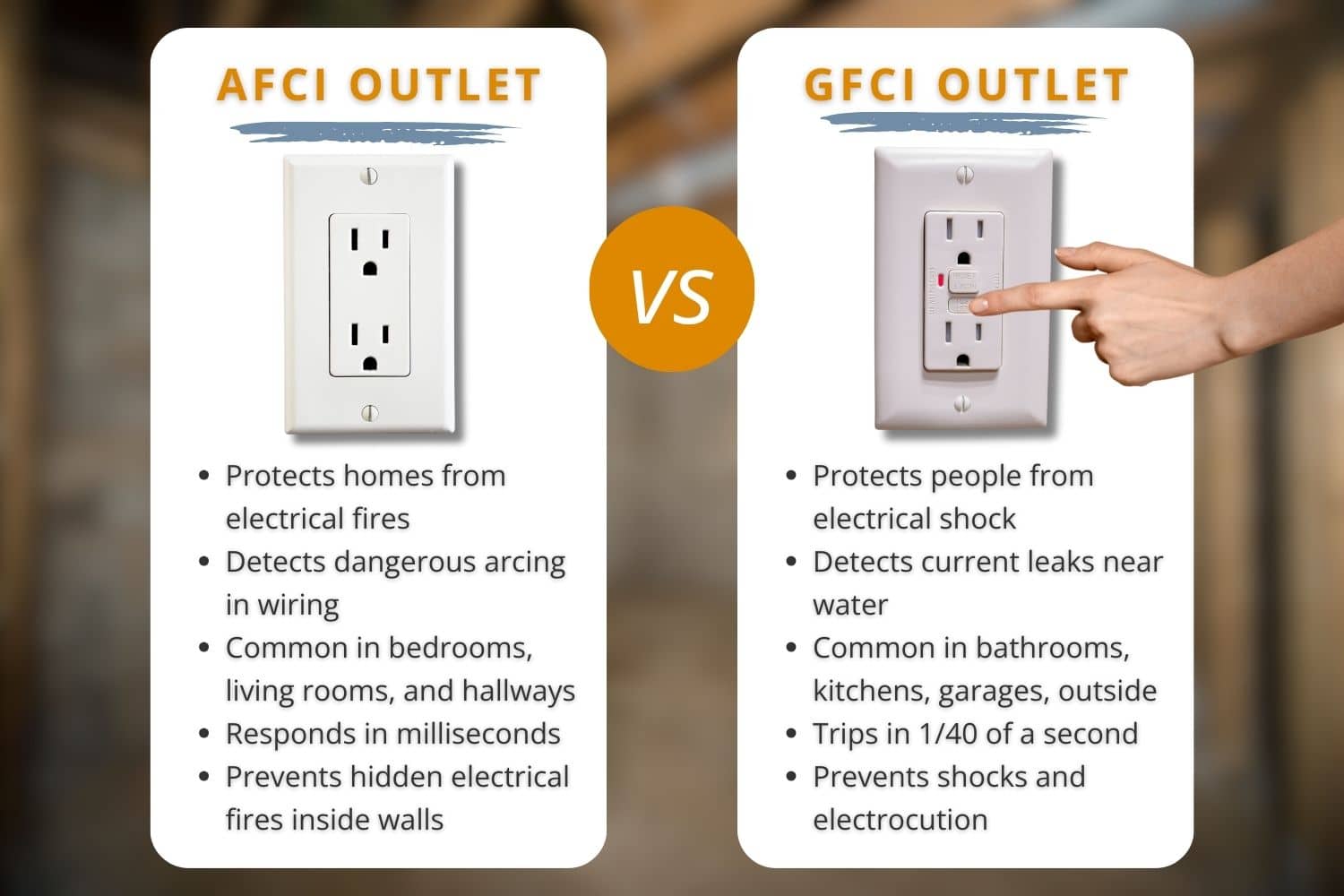
AFCI protection helps reduce the risk of fires caused by damaged or loose wiring.
GFCI protection helps reduce the risk of electrical shock caused by ground faults.
Because they solve different problems, one type of protection cannot replace the other. Together, they help support a safer electrical system.
Do AFCI and GFCI Ever Work Together?
Yes. Some devices provide dual-function protection, which means they offer both AFCI and GFCI in a single breaker. These are often used during full electrical upgrades or when a homeowner wants modern protection without installing separate outlet devices.
Dual-function breakers are common in:
- Newer homes
- Homes with panel upgrades
- Major remodel projects
- Homes where old circuits have been replaced or expanded
Inspectors sometimes point out these devices in newer areas of a home, which helps homeowners understand why some rooms have better protection than others.
Signs Your Home May Need Updated Protection
You may need updated electrical protection if you notice:
- Outlets without test buttons in kitchens or bathrooms
- Outlets or breakers that trip often
- Flickering lights when appliances turn on
- Old two-prong outlets are still in use
- Burn marks on outlets or switches
- Heavy use of extension cords
These issues suggest the system is under stress or missing recommended safety layers.
What Do Home Inspectors Look For?
Home inspectors do not open walls or dismantle wiring, but they test visible components and note conditions that affect electrical safety.
During an inspection, the inspector may:
- Test GFCI outlets in kitchens, bathrooms, garages, and outdoor areas
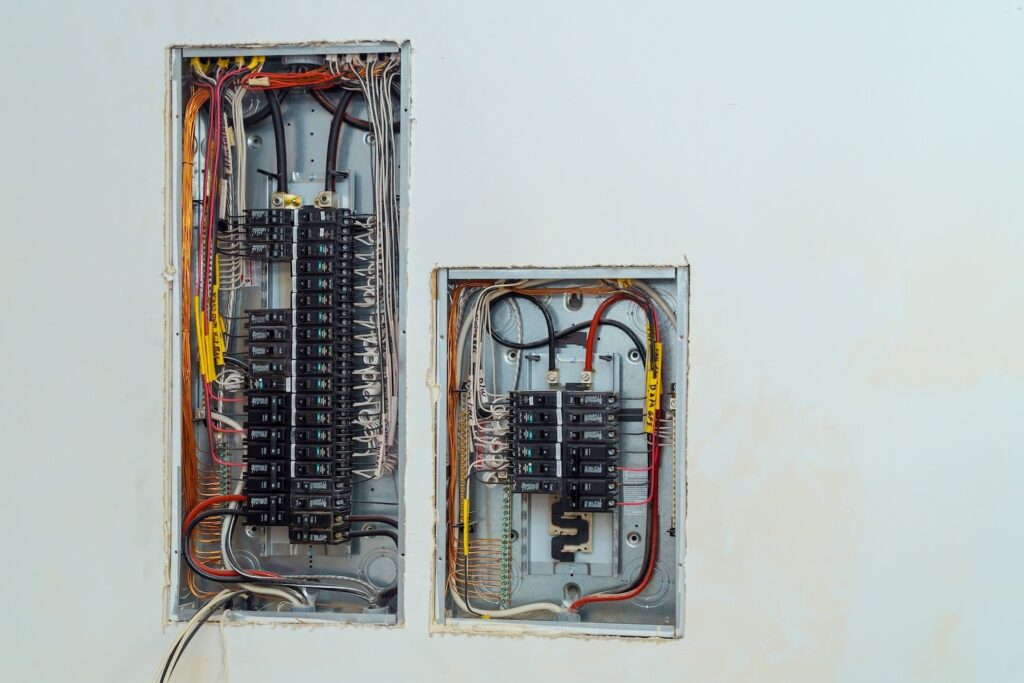
- Check the service panel for AFCI and dual-function breakers
- Confirm proper breaker labeling
- Identify missing protection where it is commonly recommended
- Report ungrounded outlets or outdated wiring
- Recommend further evaluation when issues appear unsafe
These findings help homeowners understand where electrical upgrades would meaningfully improve safety.
AFCI vs GFCI: A Simple Comparison
|
Feature |
AFCI Protection |
GFCI Protection |
|
Purpose |
Helps reduce fire risk from arcing |
Helps reduce shock risk from ground faults |
|
Common Locations |
Bedrooms, living areas, finished basements | Kitchens, bathrooms, outdoors, garages |
|
What It Detects |
Sparking or arcing inside wiring |
Electricity flowing outside its safe path |
|
Activation |
Cuts power when arcing begins |
Cuts power when moisture or imbalance is detected |
|
Appearance |
Usually, a breaker in the panel |
Breaker or outlet with test and reset buttons |
Why Homes Need Both Types of Protection
Modern electrical safety relies on layers of protection. AFCI and GFCI devices reduce the most common wiring hazards, especially in homes with older systems or mixed renovations.
Homes need both because:
- Arcing can happen anywhere in a home
- Water hazards require dedicated protection
- Older wiring is more vulnerable to heat, wear, and loose connections
- Remodels often create mixed wiring conditions
- Each device solves a unique problem
Together, they help make the electrical system safer during daily use.
Related Questions Homeowners Often Ask
Does missing protection mean the home is unsafe?
It means the electrical system does not include modern safety features. Inspectors point this out so homeowners understand their options.
Do I have to update everything to meet today’s requirements?
Electrical upgrades are not required unless you remodel or add circuits. Many homeowners choose to add AFCI or GFCI protection because it improves safety without changing the whole system.
Why do AFCI breakers trip with certain appliances?
AFCI devices detect small sparks that older appliances sometimes produce. A licensed electrician can evaluate whether the breaker is responding correctly.
When to Call a Professional
Every electrical system ages, and signs of wear often appear during a home inspection long before homeowners notice problems. Knowing who to call and when can prevent small issues from becoming larger ones.
Call an electrician when you:
- Have outlets or breakers that trip repeatedly
- Notice burning smells, buzzing, or heat near outlets
- See sparks when plugging in appliances
- Need new circuits added during a remodel
- Want to upgrade to AFCI, GFCI, or dual-function breakers
Call a home inspector when you:
- Want a full picture of the home’s electrical condition before buying or selling
- Are unsure whether your wiring, outlets, or panel shows early signs of wear
- Have not had a general inspection in several years
- Want unbiased information before getting quotes for electrical work
- Are planning renovations and want to understand the system’s current limitations
Prospective Home Inspections provides a clear, neutral assessment of electrical safety so homeowners can make informed decisions and know when to bring in an electrician for corrections or upgrades.
Conclusion
AFCI and GFCI protection help reduce the most common electrical risks found in homes. They work together to reduce both fire hazards and shock hazards, which is why inspectors often recommend them during electrical reviews. Understanding how these devices function makes inspection findings easier to interpret and helps homeowners plan improvements with confidence.
If you want a clear understanding of your home\’s electrical safety or need guidance after an inspection, Prospective Home Inspections can walk you through the details and help you take the next steps with confidence.