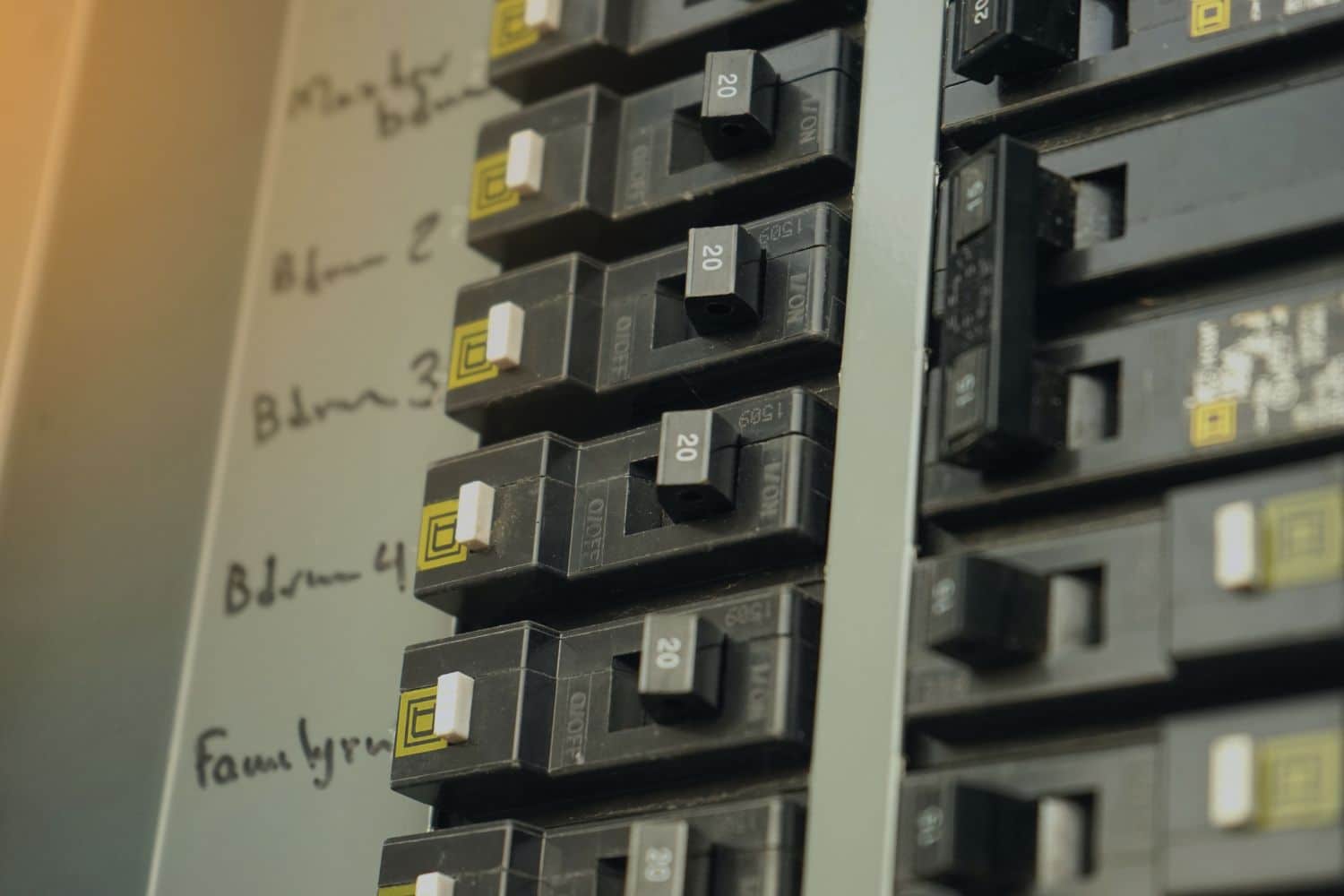
An overloaded circuit is one of the most common electrical problems in residential homes, and one of the most overlooked. It doesn’t always announce itself dramatically. Sometimes the only sign is a breaker that trips once in a while, and most homeowners just reset it and move on.
But repeated overloads put real stress on your home’s wiring. Over time, that stress can degrade insulation, overheat connections, and in serious cases, create fire hazards inside the walls where you can’t see them.
Knowing how to recognize an overloaded circuit and understanding what causes one helps you respond appropriately and know when to bring in a professional. For Naperville homeowners, especially those in older homes that weren’t wired for today’s electrical loads, this is worth understanding.
What Is an Overloaded Circuit?
Every circuit in your home is designed to carry a specific amount of electrical current, measured in amps. When the devices drawing power from that circuit exceed its rated capacity, the circuit is overloaded.
Your circuit breaker is the safety mechanism that responds to this. When it detects too much current flowing through the circuit, it trips and cuts power. That’s it doing its job correctly.
The problem is when the overload is happening repeatedly, or when warning signs appear before the breaker ever trips. That’s when the situation deserves a closer look.
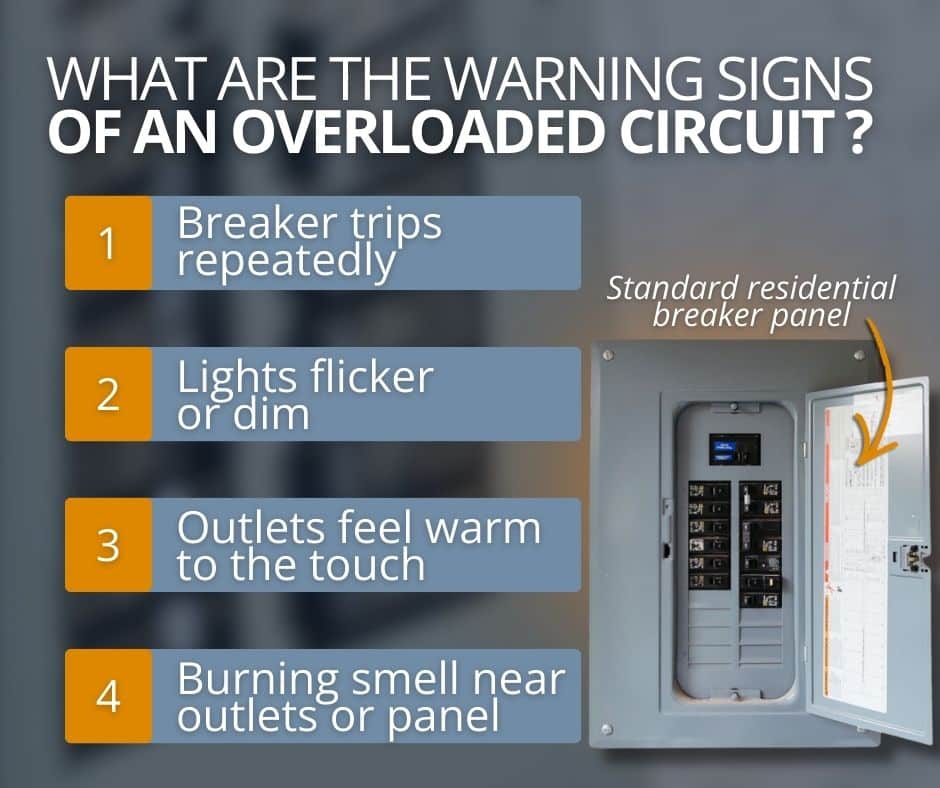
Warning Signs of an Overloaded Circuit
Overloaded circuits don’t always trip a breaker right away. These are the signs to watch for:
- Breaker trips frequently: A breaker that trips once may just reflect a temporary overload. One that trips regularly on the same circuit is telling you that the circuit is routinely being pushed past its limit.
- Lights flicker or dim: When a large appliance like a refrigerator or air conditioner kicks on, and the lights in that area dim or flicker, it’s a sign that the appliance is pulling more power than the circuit comfortably handles.
- Outlets or switches feel warm: Outlets and switch plates should never feel warm to the touch. Warmth indicates the wiring behind them is carrying more current than it should, which can degrade insulation over time.
- Burning smell near outlets or the panel: A faint burning or plastic smell near an outlet, switch, or electrical panel is a serious warning sign. It can indicate wiring insulation beginning to break down from heat.
- Buzzing sounds from outlets or the panel: Electrical components under strain can produce a buzzing or humming sound. This is not normal and should not be ignored.
- Appliances underperforming: Devices that run sluggishly, motors that seem slow, or tools that feel underpowered can all point to insufficient current reaching them due to a loaded circuit.
If you notice any combination of these signs, particularly a burning smell, warmth around outlets, or audible buzzing, stop using that circuit and contact an electrician promptly.
What Causes a Circuit to Overload?
Understanding the cause helps you address the right problem. The most common cause is too many devices on one circuit. Every device plugged in and running draws a share of the circuit’s capacity. When the total demand exceeds the limit, the circuit overloads.
A standard 15-amp circuit handles about 1,800 watts safely. A 20-amp circuit manages about 2,400 watts.
Here’s a look at how quickly common household appliances add up:
|
Appliance |
Approximate Wattage |
|
Space heater |
1,500 watts |
|
Microwave |
1,000 to 1,500 watts |
|
Hair dryer |
1,200 to 1,800 watts |
|
Refrigerator |
100 to 400 watts |
|
Window AC unit |
500 to 1,500 watts |
|
Coffee maker |
800 to 1,200 watts |
|
Laptop charger |
45 to 100 watts |
Running a space heater and a hair dryer on the same 15-amp circuit will overload it almost immediately. Spreading high-draw appliances across different circuits is the simplest prevention strategy.
Some other common causes for an overloaded circuit in a home:
- Extension cords used as permanent solutions: Extension cords are designed for temporary use. Using them long-term to power multiple devices creates a cumulative load on a single outlet and a single circuit, increasing overload risk.
- Older homes with undersized wiring: Many homes in Naperville built before the 1970s were wired for electrical loads that were modest by today’s standards. Kitchens, home offices, and entertainment setups that would be ordinary today can overwhelm circuits that were never designed for them.
- Faulty or aging appliances: A malfunctioning appliance can draw significantly more current than it should. If a specific appliance seems to consistently cause issues on a circuit, the appliance itself may be the problem.
Circuit Breakers vs. Older Fuse Systems
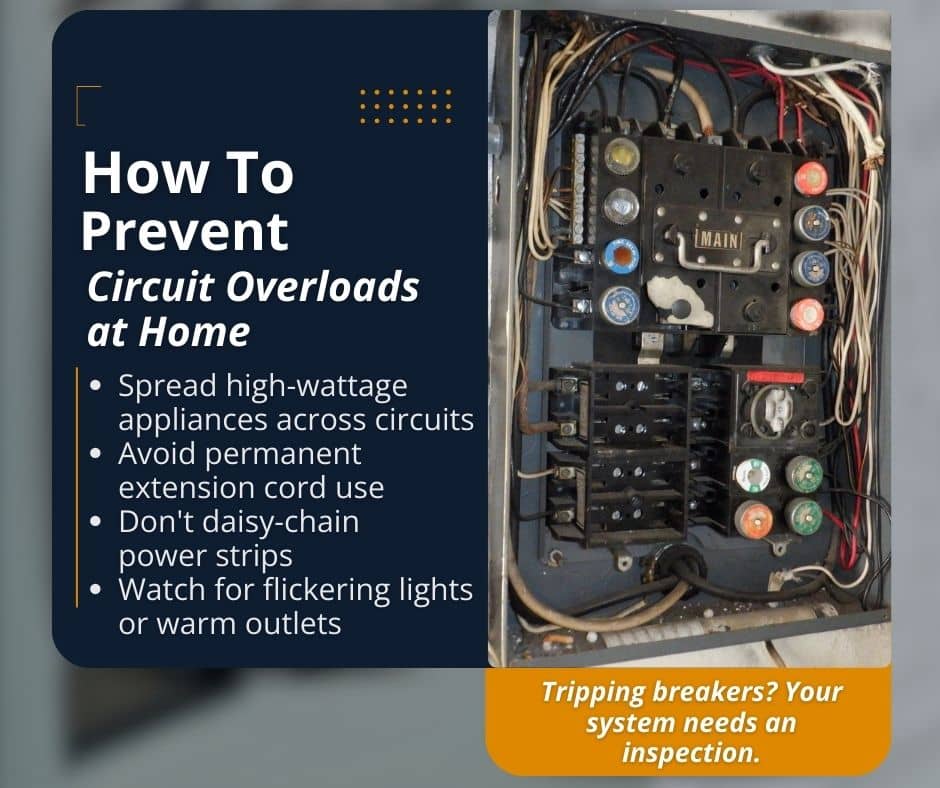
Most homes today use circuit breakers, which trip and reset when a circuit is overloaded. Some older homes, particularly those built before the 1960s, still have fuse boxes instead.
In a fuse-based system, an overloaded circuit blows the fuse rather than tripping a breaker. The fuse has to be replaced rather than reset.
The key distinction is this: a blown fuse should always be replaced with one of the same amperage rating. Installing a higher-rated fuse to avoid the inconvenience of replacements is dangerous and removes the protection the fuse is designed to provide.
If your Naperville home still has a fuse box, that’s something a home inspector will flag. Fuse panels are not inherently unsafe, but they are outdated and may indicate that the overall electrical system hasn’t kept pace with the home’s current demands.
How to Reduce the Load on an Overloaded Circuit
If you’ve identified a circuit that’s being overloaded, here are practical steps to address it:
- Redistribute appliances. Move high-draw devices to outlets on different circuits. In kitchens, especially, countertop appliances should ideally be spread across multiple circuits.
- Unplug devices not in use. Even on standby, some electronics draw power. Reducing baseline load creates more headroom on the circuit.
- Replace old or faulty appliances. Aging appliances often draw more power than their rated wattage suggests. If an appliance seems to be the consistent trigger, have it evaluated.
- Avoid daisy-chaining power strips. Plugging one power strip into another multiplies the number of devices on a single outlet and single circuit.
- Stop using extension cords as permanent wiring. If you find yourself relying on extension cords to reach outlets, the real solution is additional outlets, not more cords.
For homes where circuits are consistently running near capacity, the longer-term fix is an electrical upgrade. That might mean adding dedicated circuits for high-draw appliances, upgrading the panel, or rewiring sections of the home to meet modern demand.
Related Questions
What does a home inspection check for in the electrical system?
During a home inspection, the electrical system is evaluated for panel condition, proper breaker sizing, visible wiring safety, grounding, GFCI protection in required locations, and signs of overloading or unpermitted work. For older homes, inspectors also note outdated systems like knob-and-tube or aluminum wiring that may warrant further evaluation by an electrician.
What is GFCI protection, and where is it required?
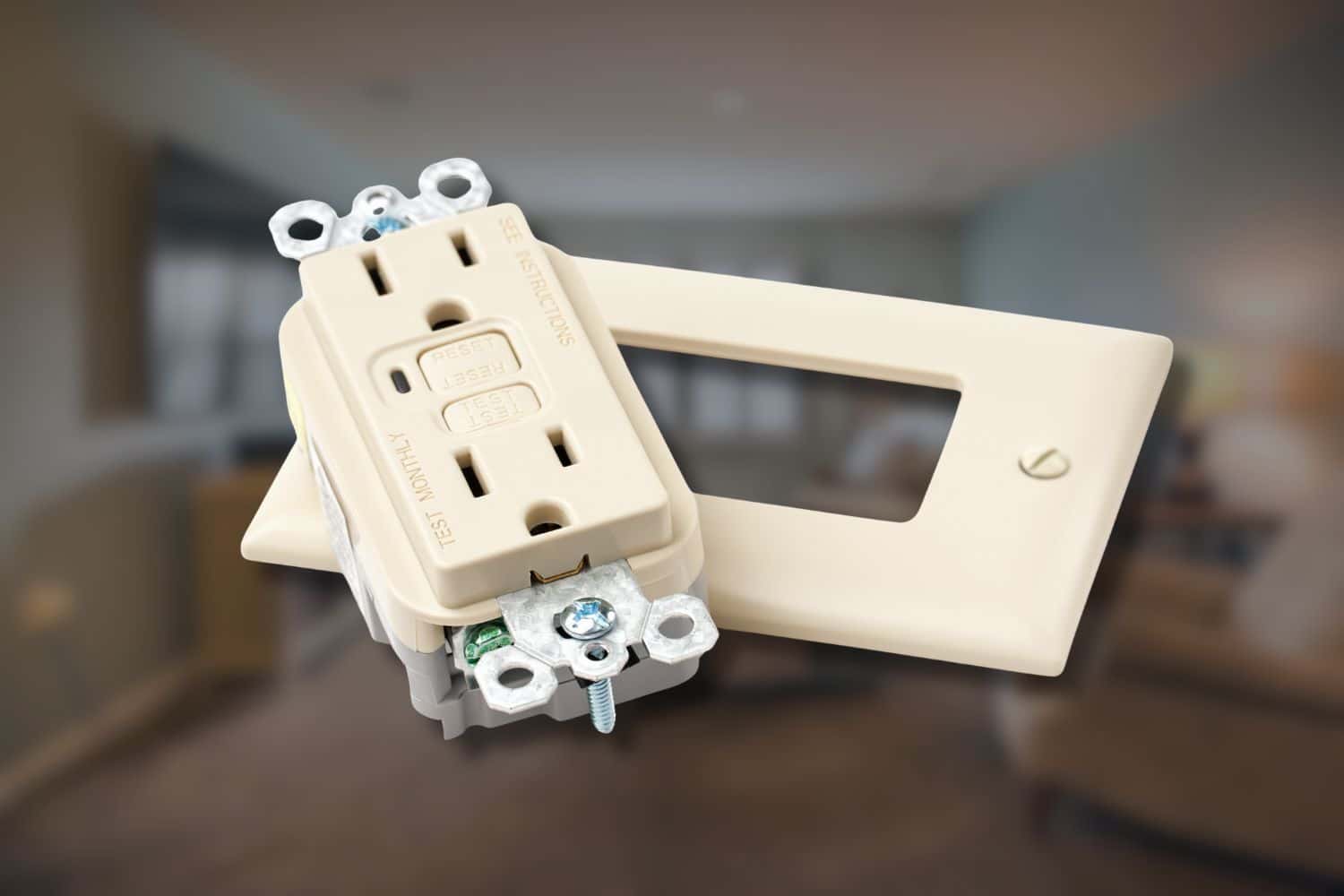
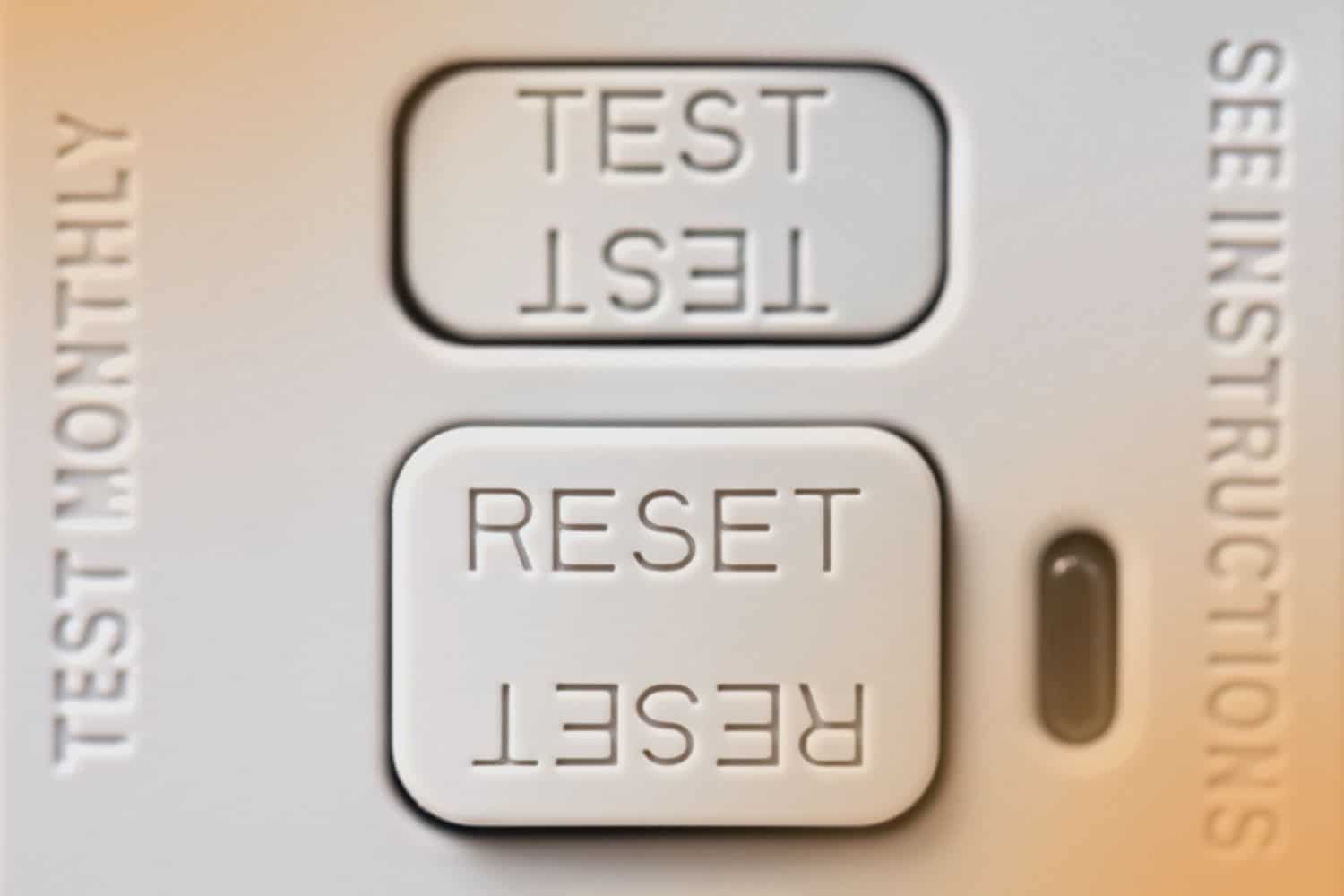
GFCI outlets are designed to cut power instantly if they detect a ground fault, which significantly reduces the risk of electrical shock. They are required in areas where water and electricity are in close proximity, including kitchens, bathrooms, garages, and outdoor outlets.
Troubleshooting is simple, but you have to take note of issues occurring. A home inspection will note any locations where GFCI protection is missing or non-functional.
What is the difference between AFCI and GFCI?
GFCI protection guards against shock hazards from ground faults. AFCI breakers protect against arc faults, which are a leading cause of electrical fires and can occur inside walls without any visible warning.
Many updated electrical codes now require AFCI protection in bedrooms and living areas. An inspection report will identify whether your home’s panel includes the appropriate protection types.
How can I tell if my home’s electrical panel needs to be upgraded?
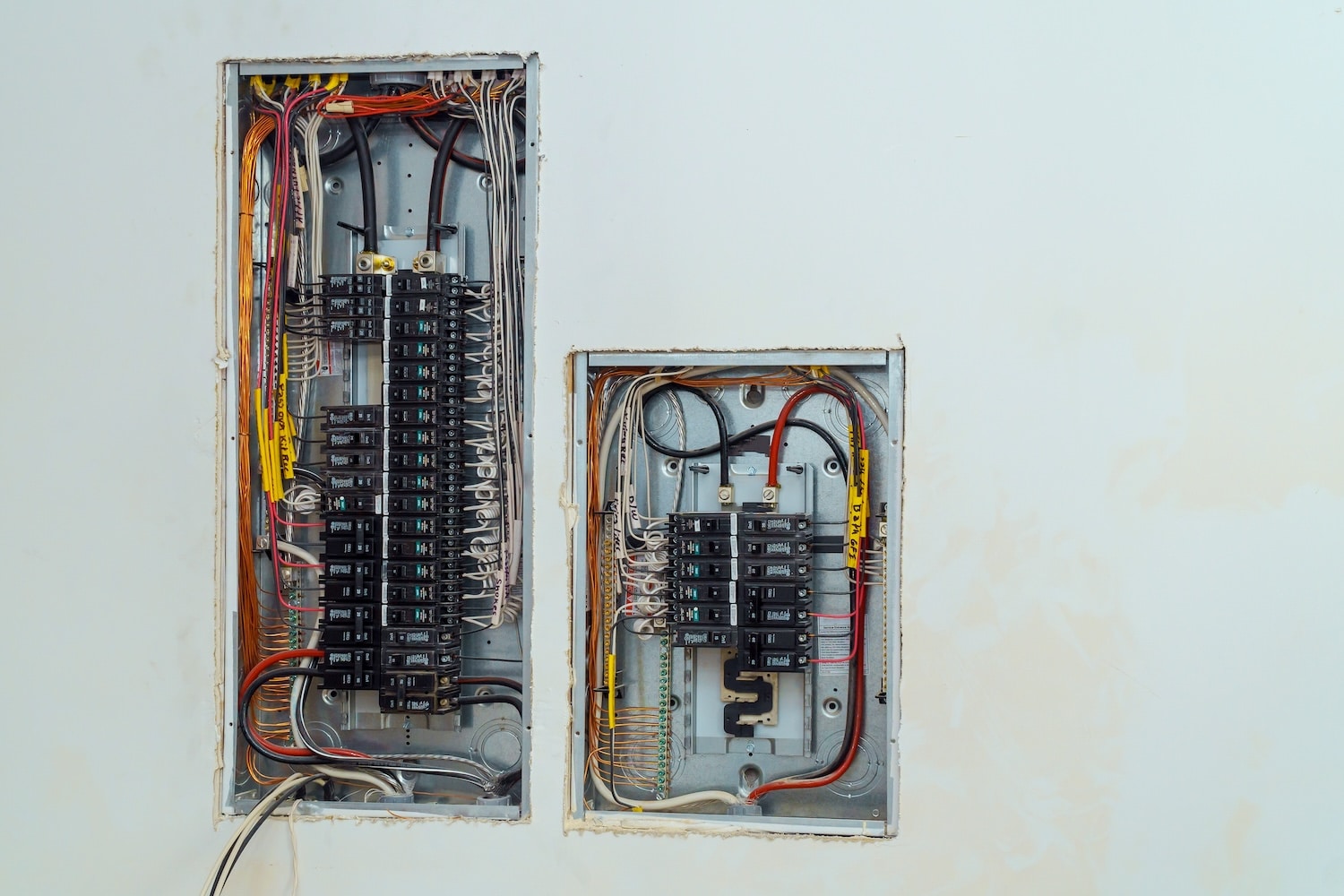
Signs that a panel may be undersized or outdated include breakers that trip frequently, circuits that can’t support your household’s normal usage, a panel that feels warm, or a panel that is a known problematic brand.
Panels in homes built before the 1980s should be evaluated by a licensed electrician if they haven’t been recently assessed.
When to Call a Professional
A home inspection is often the smartest first move. At Prospective Home Inspections, our founder and head inspector, Jeff Walters, brings deep electrical expertise to every inspection, going well beyond a surface-level check.
We’ll identify undersized panels, outdated wiring, missing AFCI or GFCI protection, and signs of chronic overloading: details that matter especially in older Naperville homes where electrical systems haven’t kept pace with modern demand. If repairs or upgrades are needed, you’ll leave with a clear picture of what and why, so any conversation with an electrician starts from an informed place.
That said, call a licensed electrician directly if you notice:
- Breakers tripping repeatedly after reducing the load
- Warmth, burning smells, or discoloration near outlets or the panel
- You’re ready to add circuits or upgrade panel capacity
Conclusion
An overloaded circuit is rarely a one-time fluke. Repeated tripping, flickering lights, warm outlets, and unexplained burning smells are all signals that a circuit is being pushed past what it was designed to handle. Paying attention to those signs and addressing the root cause rather than just resetting the breaker is how you protect your home’s wiring and reduce the risk of a more serious electrical problem down the line.
For Naperville homeowners buying, selling, or simply trying to understand the condition of an aging electrical system, a professional home inspection gives you a clear, documented picture of where things stand. Book yours with Prospective today.