
Home Inspection Services Naperville
Buying or Selling a Home?
Read More About Our Home Inspection Services In Naperville
Buying or selling a home can raise a lot of questions, and a professional home inspection helps provide clarity and confidence. A thorough inspection gives you a better understanding of the property’s condition so you can move forward with fewer surprises.
At Prospective Home Inspections, we deliver detailed evaluations of the home’s structure, roof, and major systems, including HVAC, plumbing, and electrical. We also use advanced tools like thermal imaging to help detect hidden moisture issues and drone technology for safe, accurate roof inspections. Our goal is to provide an objective assessment that highlights both strengths and concerns, giving you the information you need to make informed decisions. Read more about the home inspection services we provide in Naperville below!
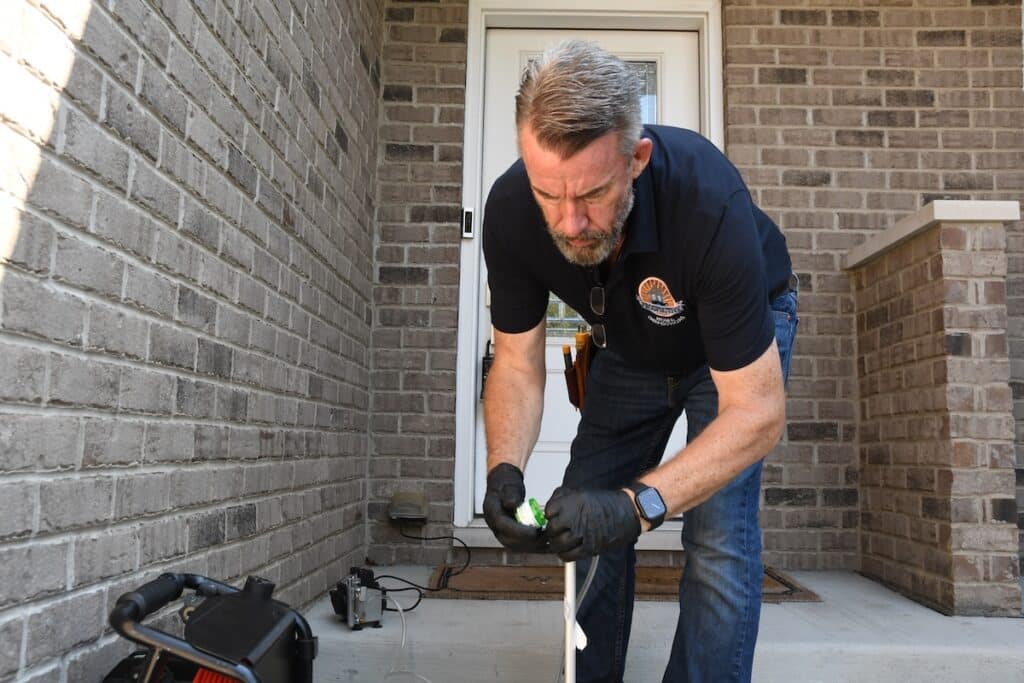
1-Year Warranty Inspection
A 1-Year Warranty Inspection evaluates the condition of your home near the end of the builder’s warranty period. This inspection helps identify issues that may still be covered before warranty coverage expires.
What’s Included:
- Structural assessment for settling, cracks, or movement
- HVAC, plumbing, and electrical system testing
- Roof inspection using drone photography
- Thermal imaging to help identify hidden moisture issues
- Windows, doors, attic insulation, and ventilation evaluation
This inspection provides an objective overview of your home’s condition so you can address concerns early and protect your investment.
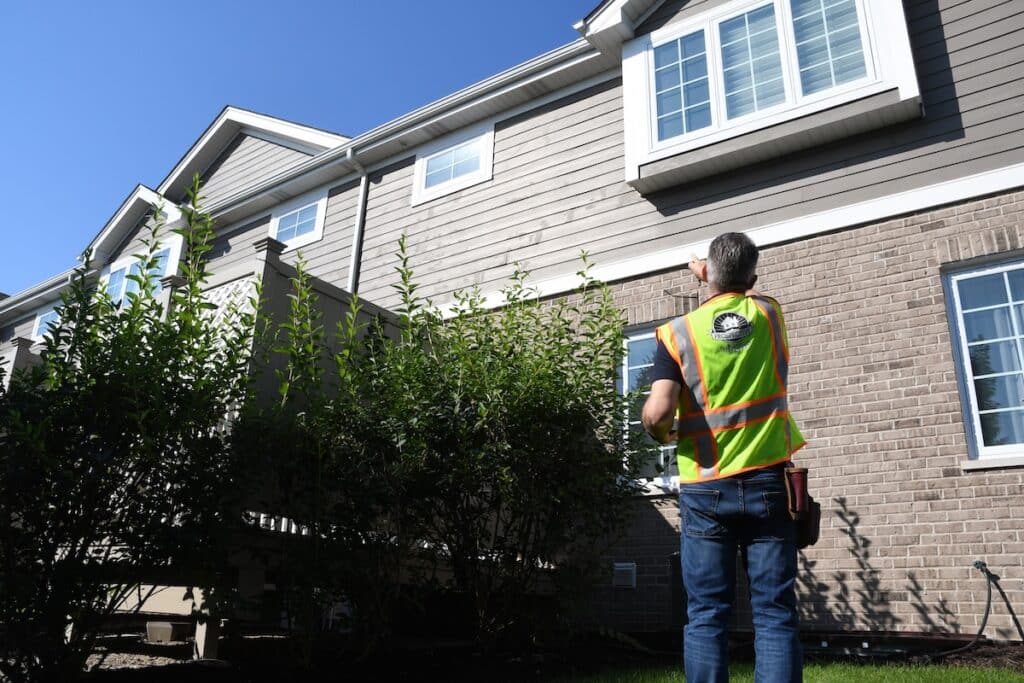
Pre-Listing Home Inspection
A pre-listing inspection helps sellers identify issues before a home goes on the market. Instead of surprises during buyer inspections, you receive a clear understanding of the home’s condition upfront.
This allows you to:
- Address repairs proactively
- Reduce negotiation issues
- Increase buyer confidence
Prospective Home Inspections provides an objective evaluation of the home’s structure, systems, and overall functionality to help you list with confidence.
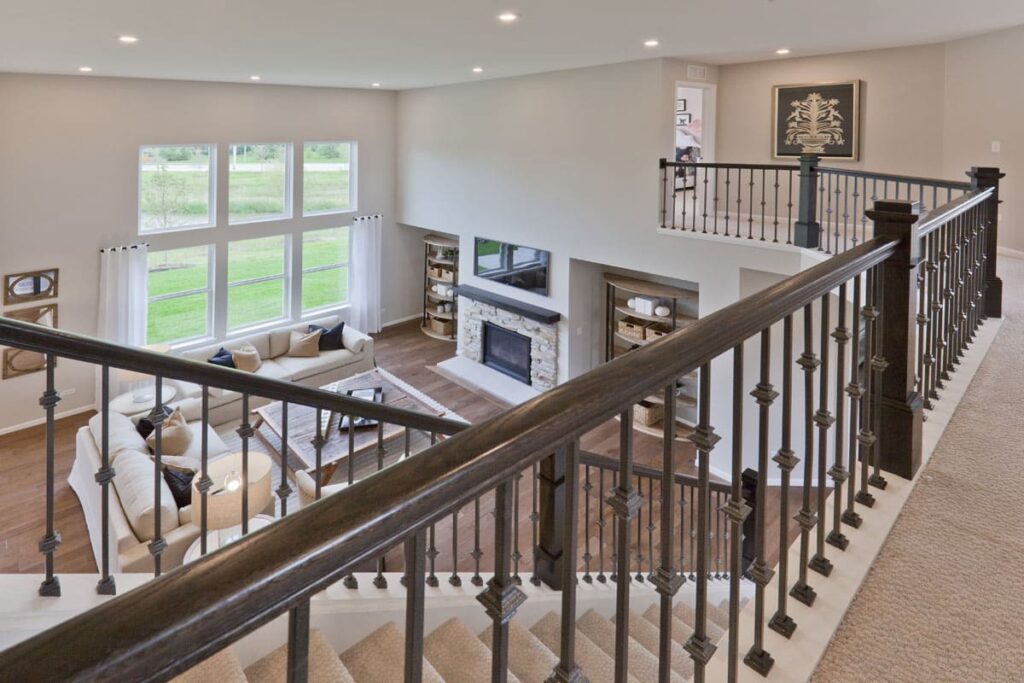
Thorough inspections. Clear answers.
Comprehensive Inspection Services
1-Year Warranty Inspection
A 1-Year Home Inspection is designed to take a clear, objective look at your home as it approaches the end of the builder’s warranty period. Many construction-related issues don’t fully reveal themselves right away. This inspection brings those conditions into focus, while you still have time to act.
The goal isn’t to nitpick cosmetic items. It’s to identify meaningful conditions, performance concerns, and developing issues so you can make informed decisions and address items that may still be covered under warranty.
Click to Expand Details
What’s changed? What needs attention? Clear choices before warranties expire. A 1-Year Home Inspection is designed to take a clear, objective look at your home as it approaches the end of the builder’s warranty period. Many construction-related issues don’t fully reveal themselves right away. This inspection brings those conditions into focus, while you still have time to act.
The goal isn’t to nitpick cosmetic items. It’s to identify meaningful conditions, performance concerns, and developing issues so you can make informed decisions and address items that may still be covered under warranty.
Interior Inspection
Mechanical Systems: All major systems—including HVAC, plumbing, and electrical—are evaluated for proper operation, performance, and visible defects. These systems work behind the scenes every day, and early issues often go unnoticed until they become disruptive or costly. Structural Conditions The home is inspected for signs of settling, cracking, or movement in walls, ceilings, floors, and structural components. Minor changes can be normal, but patterns and progression matter—and context makes the difference.
Moisture & Water Intrusion: Thermal imaging is used to help detect areas of hidden moisture that aren’t visible during a standard visual inspection. Moisture problems often start quietly, long before staining or surface damage appears.
Windows & Doors: Windows and doors are checked for alignment, sealing, and operation. Proper function supports comfort, energy efficiency, and long-term durability.
Attic & Insulation: Insulation levels and attic ventilation are evaluated to help ensure the home is managing heat and moisture as intended.
Exterior Inspection
Roof System: The roof is inspected using high-definition drone imagery, allowing for a clear view of areas that are otherwise difficult or unsafe to access. The focus is on condition, to identify wear, damage, or installation concerns.
Siding & Exterior Materials: Exterior finishes, trim, and penetrations are inspected for damage, improper detailing, or signs of moisture intrusion. These components protect the home from the elements, and small issues here can lead to larger problems over time.
Why a 1-Year Inspection Matters: A 1-Year Home Inspection brings clarity to conditions that often develop quietly during the first year of ownership. By bringing hidden or overlooked issues into focus, this inspection helps eliminate guesswork and supports clear, informed decisions—while builder warranty coverage may still apply.
Pre-Listing Home Inspection
What buyers will see. Why it matters. Clear choices before you list.
A Pre-Listing Home Inspection gives sellers a clear, objective understanding of their home’s condition before it goes on the market. By identifying issues early, this inspection helps eliminate last-minute surprises, supports informed repair decisions, and allows you to list with confidence rather than react under pressure. Instead of discovering concerns during a buyer’s inspection—when timelines are tight and negotiations are already underway—you gain clarity upfront and control how issues are addressed and presented.
Click to Expand Details
What buyers will see. Why it matters. Clear choices before you list: A Pre-Listing Home Inspection gives sellers a clear, objective understanding of their home’s condition before it goes on the market. By identifying issues early, this inspection helps eliminate last-minute surprises, supports informed repair decisions, and allows you to list with confidence rather than react under pressure.
Instead of discovering concerns during a buyer’s inspection—when timelines are tight, and negotiations are already underway—you gain clarity upfront and control how issues are addressed and presented.
What a Pre-Listing Inspection Covers: While living in a home, it’s easy for small issues to fade into the background. During a sale, however, buyers and their inspectors are looking closely—especially at safety, structure, and system performance.
A pre-listing inspection brings those conditions into focus by evaluating the home’s major components, including structure, roofing, exterior materials, plumbing, electrical, HVAC, and other accessible systems. The goal is not to create alarm, but to provide context around what’s typical, what’s developing, and what may deserve attention.
Why Sellers Choose a Pre-Listing Inspection
Fewer Surprises: Issues discovered during a buyer’s inspection often surface at the worst possible time. A pre-listing inspection helps reduce uncertainty and avoids last-minute renegotiations.
More Control: When you understand the condition of the home ahead of time, you can choose whether to make repairs, adjust pricing, or disclose findings strategically—on your terms.
Stronger Positioning:
Homes that come to market with known conditions already addressed—or clearly understood—often move through the transaction with fewer obstacles and less friction.
Independent, Objective Insight
As an independent inspection company, our role is to provide an unbiased evaluation of the home’s condition. The inspection is performed with the same level of detail and objectivity used for buyers, focusing on safety, structure, and function—not cosmetic perfection.
The inspection report is prepared exclusively for the client who orders the inspection. Findings are not shared with buyers, agents, or any other parties unless the client chooses to do so. This allows sellers to review conditions privately and decide how to address or disclose items on their own terms.
Why a Pre-Listing Inspection Matters
A pre-listing inspection brings clarity to conditions buyers will eventually uncover. By putting those findings into context ahead of time, sellers can eliminate guesswork, reduce negotiation stress, and move forward with clear, confident choices.
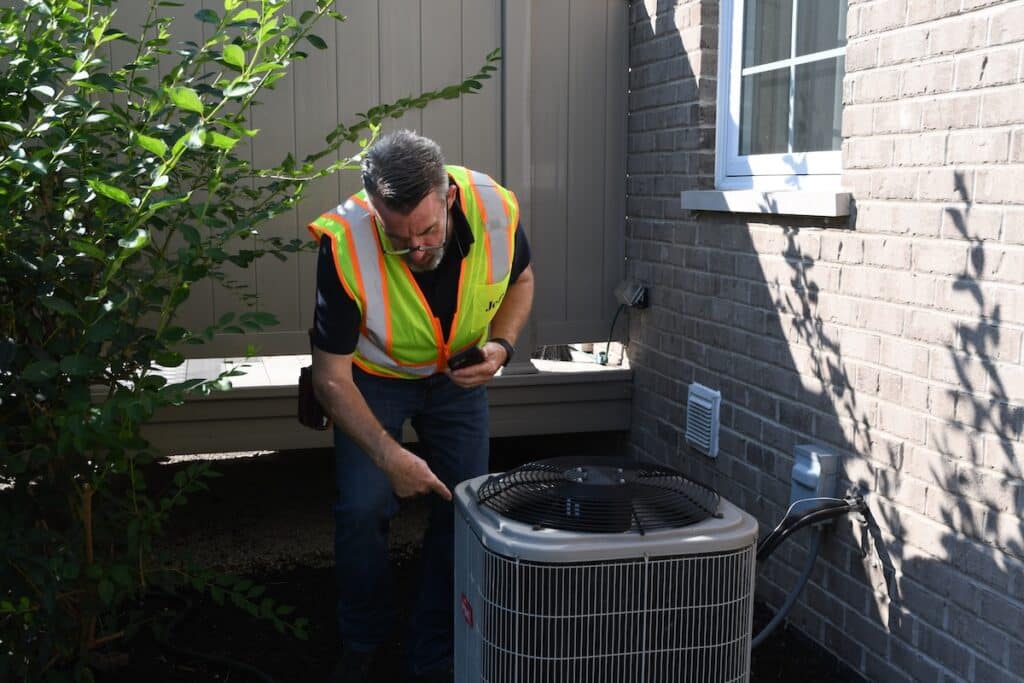
Pre-Purchase Home Inspection
A pre-purchase inspection helps buyers make informed decisions by evaluating the home’s structure, roof, and major systems prior to closing. This thorough, unbiased assessment highlights existing concerns and potential future repairs, giving buyers a clearer picture of the property before finalizing their purchase.
Click to Expand Details
What you’re buying. What needs attention. Clear choices before you commit.
A Buyer’s Home Inspection provides a clear, objective understanding of a property’s condition before final decisions are made. The inspection focuses on the home’s structure, roof, and major systems to identify conditions that deserve attention—so you’re not relying on assumptions, surface impressions, or incomplete disclosures.
The goal isn’t to find fault or predict future failures. It’s to bring meaningful conditions into focus and give you the information needed to decide how to move forward with confidence.
What a Buyer’s Home Inspection Covers
Many of a home’s most important components aren’t visible during a showing. A Buyer’s Home Inspection evaluates the property from top to bottom, focusing on safety, structure, and system performance.
After the inspection, you receive a detailed report that outlines observed conditions, areas of concern, and items that may warrant further evaluation. The report is designed to provide context—not just observations—so you can understand what matters and why.
Interior Inspection
Mechanical Systems: Major systems—including HVAC, plumbing, and electrical—are evaluated for proper operation and visible defects. These systems often represent the most significant repair expenses and have a direct impact on comfort and safety.
Structural Conditions: Walls, ceilings, floors, and accessible structural components are inspected for signs of movement, cracking, or settling. Not all changes indicate a problem—context and patterns matter.
Moisture & Water Intrusion: Thermal imaging is used to help identify areas of hidden moisture that may not be visible during a standard visual
inspection. Moisture issues often develop quietly, long before damage becomes obvious.
Windows & Doors: Windows and doors are checked for alignment, sealing, and operation to support energy efficiency, security, and long-term durability.
Attic & Insulation: Insulation levels and attic ventilation are evaluated to help ensure the home is managing heat and moisture as intended.
Exterior Inspection
Roof System: The roof is inspected using high-definition drone imagery, allowing for a clear view of areas that are otherwise difficult or unsafe to access. The focus is on current conditions to identify wear, damage, or installation concerns.
Siding & Exterior Materials: Exterior finishes, trim, and penetrations are inspected for damage, improper detailing, or signs of moisture intrusion.
These components play a critical role in protecting the home from the elements.
Independent, Objective Insight
Buying a home can move quickly, and it’s easy to overlook or minimize concerns along the way. Our role is to provide an independent, third-party evaluation that clearly identifies strengths, weaknesses, and developing issues—without pressure or speculation.
The inspection report is designed to support informed conversations, confident negotiations, and clear next steps.
Why a Buyer’s Home Inspection Matters
A Buyer’s Home Inspection brings clarity to conditions that aren’t always visible during a walkthrough. By putting those findings into context, buyers can eliminate guesswork, understand what truly needs attention, and move forward with clear, confident choices.
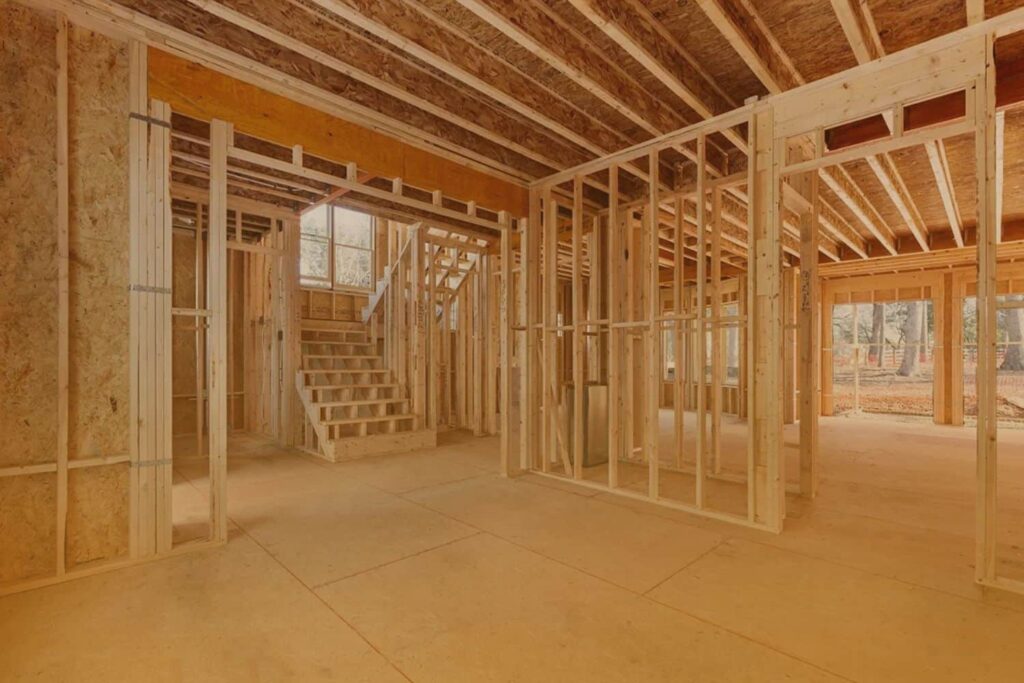
Pre-Drywall
Inspection
A pre-drywall inspection is conducted during new construction before insulation and drywall are installed, allowing key components to remain fully visible. This inspection reviews structural framing, mechanical rough-ins, and overall workmanship to help identify issues early, when corrections are easier and less costly to address.
Click to Expand Details
What’s behind the walls. What needs attention. Clear choices before it’s covered up: A Pre-Drywall Inspection is conducted during new construction after the structural framing and rough-in work are complete, but before insulation and drywall are installed. At this stage, the home’s framing, wiring, plumbing, and mechanical systems are fully visible and accessible.
This inspection reviews the condition and installation of these components to identify observable issues while corrections can still be made without removing finished materials.
What Is Inspected: The inspection includes a visual evaluation of accessible components at the time of inspection, including:
- Structural framing – walls, beams, joists, trusses, and general framing layout
- Plumbing rough-ins – supply lines, drains, venting, and visible connections
- Electrical rough-ins – wiring methods, panel placement, outlets, switches, and lighting circuits
- HVAC systems – ductwork, mechanical layout, and visible installation practices
- Windows and doors – installation, flashing, and integration with framing where visible
- Fire blocking and draft stopping – where installed and accessible
- Foundation and site conditions – visible elements related to structure and drainage
The inspection is limited to conditions that are visible and accessible at the time of inspection.
Purpose of the Inspection
Once insulation and drywall are installed, many components become concealed and cannot be evaluated without invasive methods. A Pre-Drywall Inspection allows concerns to be identified at a stage when corrections are typically simpler and less costly.
This inspection helps provide:
- Documentation of observed conditions prior to drywall installation
- Information to discuss with the builder before construction progresses
- Confirmation that work completed to date appears consistent with standard construction practices
Independent Review During Construction: New construction often involves multiple subcontractors working in sequence. A Pre-Drywall Inspection provides an independent, third-party review of the work completed up to that point. The inspection is not a code compliance inspection and does not replace municipal or jurisdictional inspections.
A detailed report is provided, describing observed conditions and noting items that may warrant further review or correction by the builder.
Why a Pre-Drywall Inspection Matters: A Pre-Drywall Inspection provides a documented review of the home’s structure and core systems before they are concealed. By identifying observable issues at this stage, the inspection helps support informed discussions and decision-making while construction is still underway.
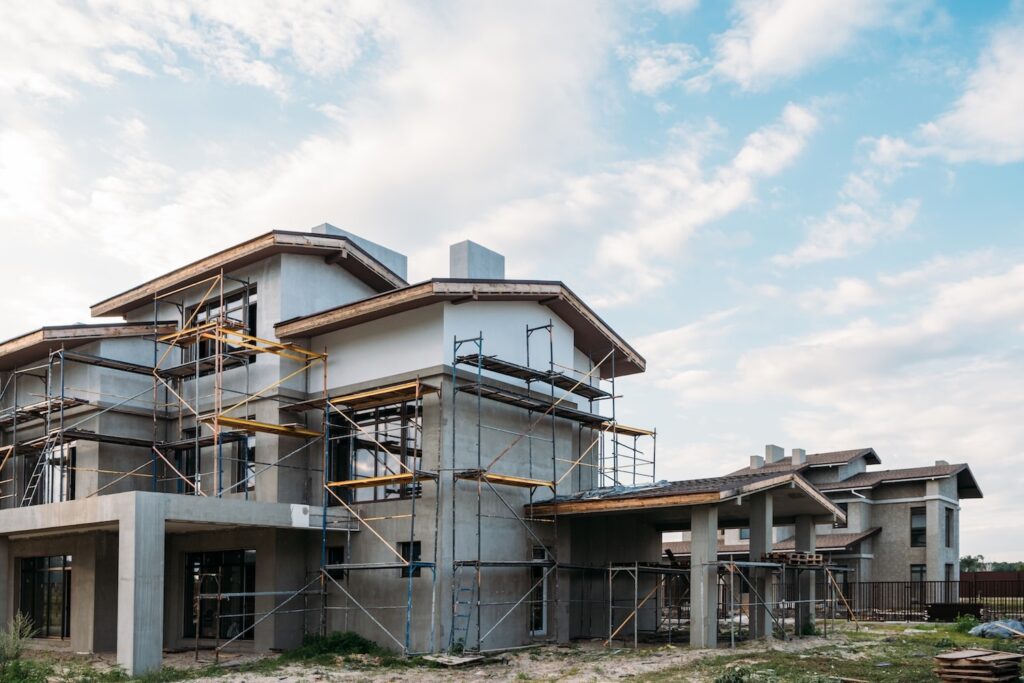
New Construction Inspection
A new construction inspection is completed before the final walk-through to help confirm your new home is free of obvious construction issues. This inspection reviews build quality, incomplete or overlooked items, and signs of shortcuts, while also checking practical move-in details like working utilities, giving you clear feedback to address with the builder.
Click to Expand Details
What’s complete. What needs attention. Clear choices before final sign-off: A New Construction Inspection is conducted near the end of the building process, typically before the final walk-through with the builder and prior to closing. At this stage, the home is largely complete and systems are expected to be operational.
This inspection evaluates visible and accessible components of the home to identify observable construction issues, incomplete items, or conditions that may require correction before acceptance of the property.
Purpose of the Inspection: New homes are often completed on tight schedules and involve multiple trades working in sequence. While many builders do quality work, issues can still be missed or left unresolved as the project nears completion.
A New Construction Inspection provides an independent, third-party review of the home’s condition at a critical point; before final sign-off so concerns can be addressed while the builder is still responsible for corrections.
What Is Inspected
The inspection includes a visual evaluation of accessible components at the time of inspection, including:
- Structural components – walls, ceilings, floors, and visible framing elements
- Roof system – visible roofing materials, flashings, and penetrations
- Exterior components – siding, trim, doors, windows, grading, and drainage where accessible
- Interior finishes – floors, walls, ceilings, doors, cabinets, and installed fixtures
- Plumbing system – visible supply and drain components, fixtures, and basic operation
- Electrical system – panels, visible wiring, outlets, switches, lighting, and basic operation
- HVAC system – installed equipment, visible ductwork, and basic system operation
- Safety items – handrails, guards, smoke and carbon monoxide alarms (where installed)
- Utilities – confirmation that water, gas, and electrical services are connected and functional at the time of inspection
The inspection is limited to conditions that are visible and accessible and does not include invasive testing or
destructive evaluation.
What This Inspection Is Not
A New Construction Inspection is not a code compliance inspection and does not replace municipal or jurisdictional inspections. It also does not guarantee future performance or identify every possible defect.
The purpose is to identify observable conditions and incomplete items so they can be addressed before final acceptance of the home.
Independent, Objective Review
The inspection is performed independently of the builder and focuses on observable workmanship, installation practices, and system operation. The goal is not to assign blame, but to provide clear documentation of conditions present at the time of inspection.
A detailed written report is provided to help support discussions with the builder and guide final decisions before closing.
Why a New Construction Inspection Matters
A New Construction Inspection provides a documented review of the home’s condition before final sign-off. By identifying visible issues and incomplete items at this stage, the inspection helps reduce uncertainty and supports informed decision-making before the home is accepted and occupied.
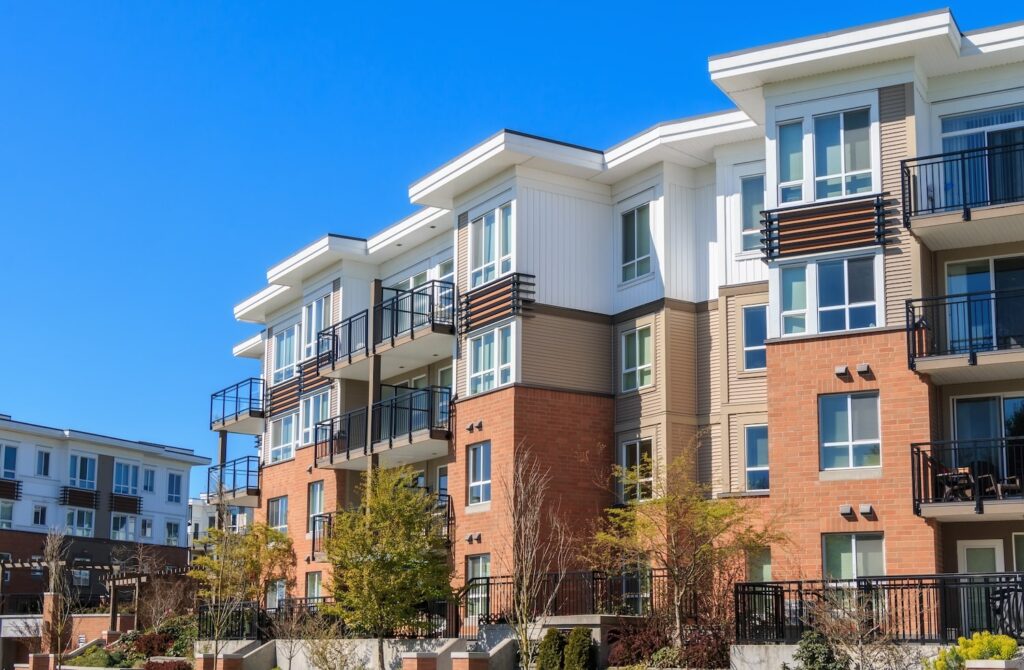
Condo Property Inspection
A condo inspection focuses on evaluating the individual unit while considering its relationship to shared building systems and common areas. This inspection includes a review of interior components, mechanical systems, and accessible structural elements, providing buyers or sellers with an objective assessment of the condo’s condition.
Click to Expand Details
A Condominium Inspection focuses on the individual unit within a multi-unit building. The inspection evaluates components that are typically maintained by the unit owner and provides an objective assessment of the unit’s observable condition.
Because condominiums involve shared building systems, this inspection emphasizes unit-level components and does not include a full inspection of common areas or association-managed systems.
What a Condominium Inspection Covers
The inspection includes a visual evaluation of accessible components within the unit, including:
- nterior components – walls, ceilings, floors, doors, windows, and finishes
- Plumbing systems – visible supply and drain components serving the unit
- Electrical systems – panel, outlets, switches, lighting, and visible wiring
- Heating and cooling systems – unit-specific HVAC equipment and controls
Important Scope Limitations: This inspection is limited to the individual unit only. Common areas, shared systems, association documents, reserve
studies, and financial records are not evaluated as part of this inspection. Responsibility for those elements remains with the condominium association.
Independent, Objective Review: The inspection is based on observable and accessible conditions at the time of inspection and does not involve
invasive testing. A detailed written report is provided to document findings and support informed decision-making.
Why a Condominium Inspection Matters: A Condominium Inspection provides a clear, unit-focused evaluation within the context of a shared building. By defining scope and responsibility up front, this inspection helps eliminate assumptions and supports clear, confident decisions.
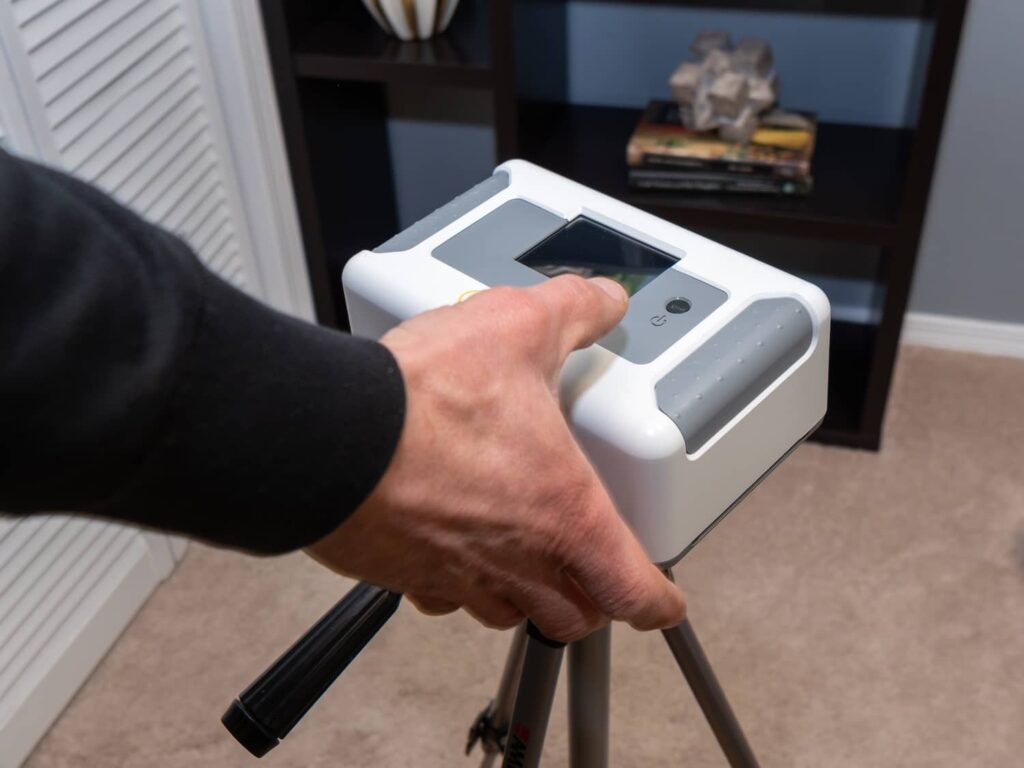
Radon Testing
Radon testing measures the level of radioactive gas present inside a home, which cannot be detected by sight or smell but poses serious health risks. Professional testing provides accurate results and helps determine whether mitigation may be needed, offering peace of mind for buyers, sellers, and homeowners alike.
Click to Expand Details
What you can’t see. What needs attention. Clear choices based on measured results: Radon testing measures the level of radon gas inside a home. Radon cannot be seen, smelled, or tasted, but prolonged exposure at elevated levels is a known health concern. Testing provides objective data so informed decisions can be made about mitigation, if needed.
Radon testing is recommended for buyers, sellers, and homeowners because visual inspections cannot determine radon levels. Measurement is the only way to know what is present in a specific home.
What Radon Is: Radon is a naturally occurring radioactive gas produced by the breakdown of uranium in soil, rock, and water. It typically moves upward through the ground and can enter a home through openings in the foundation, such as cracks, joints, sump pits, and penetrations. Once inside, radon can accumulate—particularly in lower levels of the home.
Why Testing Matters: Radon levels vary widely from home to home. Two neighboring houses can have significantly different radon concentrations due to differences in soil conditions, construction methods, ventilation, and foundation details. Because of this variability:
- Radon levels cannot be predicted based on location alone
- Results from nearby homes are not reliable indicators
- Testing is the only way to determine a home’s radon level
In Illinois, elevated radon levels are common. Statewide testing data shows that a significant percentage of homes measure at or above the EPA action level of 4.0 pCi/L, making testing an important part of understanding indoor air conditions.
How Radon Testing Is Performed: Radon testing is conducted using calibrated monitoring equipment placed in the lowest level of the home that is
suitable for occupancy, following established testing protocols. Conditions during the test are controlled to help ensure accurate results.
Once testing is complete, results are reviewed to determine whether radon levels are below or above the EPA action level.
Understanding the Results: If radon levels are below the action level, no further action is typically recommended. If levels are at or above the action level, mitigation options are available.
Radon mitigation systems are well established and, when properly installed, can significantly reduce indoor radon levels—even in homes with high initial readings.
Independent, Objective Testing: Radon testing provides measured data, not assumptions. The results are specific to the home being tested and reflect conditions at the time of the test.
Licensed professional testing helps ensure proper placement, test duration, and reporting so decisions are based on reliable information.
Why Radon Testing Matters: Radon testing brings clarity to a condition that cannot be detected during a visual inspection. By measuring actual
radon levels, this service helps eliminate guesswork and supports clear, informed choices about indoor air quality and mitigation, when necessary.
2025 Radon Snapshot
- 292 inspections
- 109 radon tests
- 35% elevated (≥ 4.0 pCi/L)
- Mitigation is recommended at 4.0 pCi/L and above.
Radon is invisible and odorless. Testing replaces guesswork with data — so you can move forward with confidence.
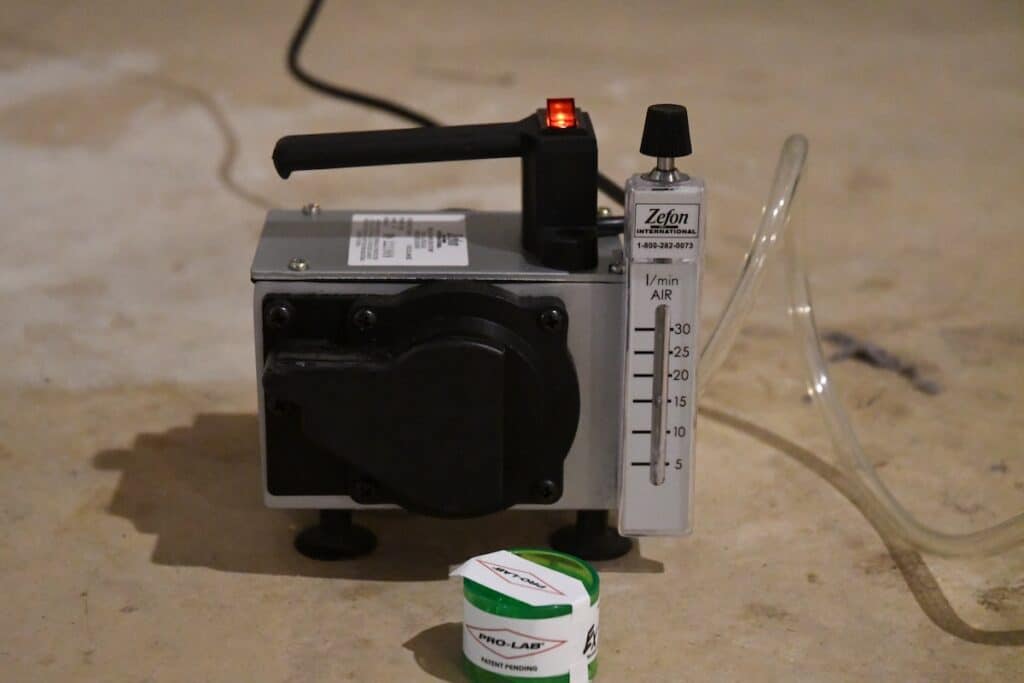
Mold Sampling
Mold sampling helps identify mold types and concentrations that may not be visible during a standard inspection, especially in moisture-prone areas. Using air and surface samples analyzed by a certified laboratory, this service provides valuable insight into potential mold concerns within the home, allowing homeowners to determine remediation steps.
Click to Expand Details
What’s present. What it means. Clear choices supported by lab analysis: Mold sampling is used to identify the presence and relative concentration of mold spores that may not be visible during a standard visual inspection. Sampling provides measured data that helps put conditions into context and supports informed decisions about next steps.
Mold sampling does not determine whether a home is “safe” or “unsafe,” and results reflect conditions at the time of sampling only.
When Mold Sampling Is Useful: Mold growth is typically associated with moisture. Sampling may be appropriate when:
- Musty or persistent odors are present
- Moisture conditions are suspected but not visible
- Finished areas limit access to underlying materials
- Additional information is needed beyond visual findings
Common areas of concern include attics, basements, crawlspaces, bathrooms, laundry areas, and finished basements.
Types of Mold Sampling: All samples are analyzed by a certified laboratory.
Air Sampling: Indoor and outdoor air samples are collected using spore trap canisters. The outdoor sample provides a baseline for comparison with indoor results.
Surface Sampling: Surface samples are collected when visible microbial growth is present to help identify the type of mold on a specific material.
Important Limitations: Mold sampling does not identify moisture sources or correct underlying conditions. Mold levels can vary based on humidity, ventilation, and activity within the home.
If elevated levels are identified, further evaluation or remediation by qualified professionals may be recommended.
Availability: Mold sampling is offered exclusively in conjunction with a full home inspection, allowing results to be evaluated in the context of the home’s overall condition.
Why Mold Sampling Matters: Mold sampling provides laboratory-analyzed data that brings clarity to conditions that may not be visible during an
inspection. This information helps eliminate guesswork and supports clear, informed choices when additional action is being considered.
Should I Sample for Mold? Mold sampling may be worth considering if one or more of the following apply:
- There is a persistent musty or damp odor
- Moisture issues are known or suspected (past leaks, water intrusion, high humidity)
- The home has a finished basement or other areas where walls or floors limit visibility
- Visible staining or suspected microbial growth is present
- You want measured, lab-analyzed data to support decisions, not assumptions
Mold sampling may be less useful if:
- No moisture concerns are observed during the inspection
- No visible signs of moisture, staining, or elevated humidity are identified
- You are looking for a simple visual opinion rather than laboratory results
Bottom line:
Mold sampling provides laboratory-analyzed data about mold conditions present at the time of sampling. It is used to confirm or rule out concerns that cannot be resolved through visual inspection alone.
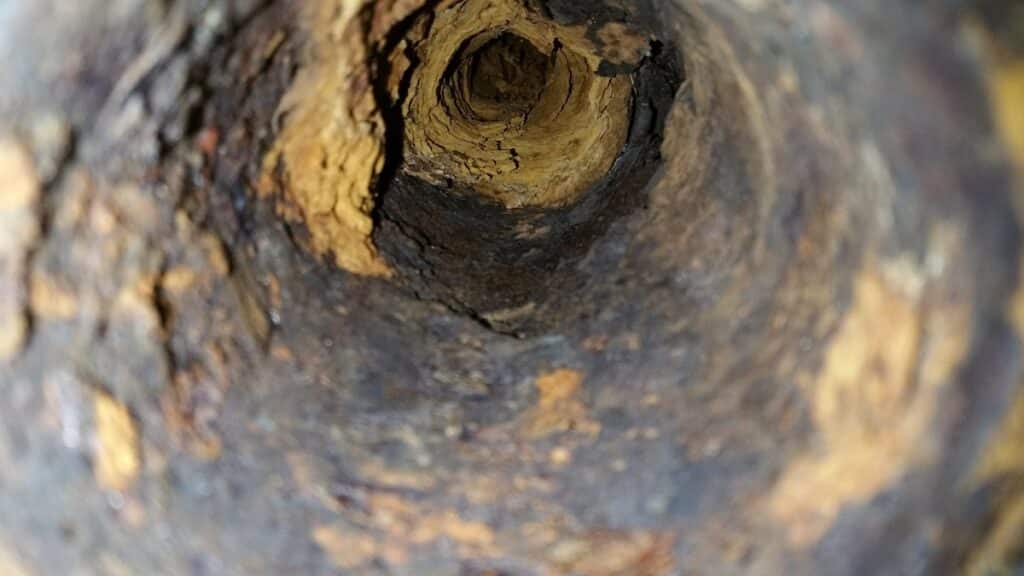
Sewer Scope
A sewer scope inspection uses a high-definition camera to evaluate the condition of the home’s lateral sewer line, which can be costly to repair if damaged. This inspection helps identify blockages, pipe damage, or other hidden issues before they lead to major repairs or unexpected expenses later on down the road.
Click to Expand Details
What’s underground. What needs attention. Clear choices before problems surface.
A sewer scope inspection uses a high-definition camera to evaluate the condition of the home’s lateral sewer line—the underground pipe that carries waste from the home to the municipal sewer or septic system. Because this line is buried, its condition cannot be evaluated during a standard visual inspection.
A sewer scope provides direct information about a system that can be costly to repair if damaged or deteriorated.
What a Sewer Scope Is: During a sewer scope inspection, a specialized camera is inserted into the lateral sewer line through an accessible cleanout. The camera records video of the interior of the pipe as it travels toward the connection point at the public sewer main or septic tank.
The inspection typically takes about 30 minutes, and recorded video is included in the inspection report for review and documentation.
What the Inspection Looks For: A sewer scope helps identify observable conditions such as:
- Blockages or obstructions
- Broken, cracked, or deteriorated piping
- Tree root intrusion
- Offset or disconnected pipe sections
- Low spots (“bellies”) where waste and debris can collect
These conditions often develop out of sight and may not show symptoms until a backup or failure occurs.
Why Sewer Scopes Matter: The lateral sewer line is typically the homeowner’s responsibility, and repairs are often very expensive. Because the line is underground, issues may exist without visible warning signs.
A sewer scope inspection provides clarity by identifying current conditions so decisions can be made with accurate information rather than assumptions.
Important Limitations: A sewer scope evaluates the interior condition of the sewer line at the time of inspection only. It does not predict future performance or guarantee that issues will not develop later. The inspection is limited by access, pipe configuration, and observable conditions.
Availability: Sewer scope inspections are offered exclusively in conjunction with a full home inspection. This allows sewer conditions to be evaluated alongside the overall condition of the home.
Why a Sewer Scope Inspection Matters: A sewer scope inspection brings visibility to a system that is otherwise hidden underground. By identifying observable conditions before problems occur, this service helps eliminate guesswork and supports clear, informed choices about repair, negotiation, or future planning.
Should I Scope the Sewer Line? A sewer scope inspection may be worth considering if one or more of the following apply:
- The home is older, or the age and material of the sewer line are unknown
- There are large trees near the sewer path
- The home has a finished basement where backups would be difficult or costly
- There is slow draining, past backups, or limited information about the sewer line
- You want direct visual information about an underground system before closing
A sewer scope may be less useful if:
- The sewer line has been recently replaced and documentation is available
- Access to the sewer clean out is not available
- You are comfortable accepting unknown conditions in an underground system
Bottom line: A sewer scope does not predict future performance. It provides a visual look at the current condition of the sewer line, helping clarify risks and support informed decisions when questions remain after the standard inspection.
2025 Sewer Scope Snapshot:
- 292 inspections
- 47 sewer scopes
- 30 required action — 64% of the sewer scopes performed
When we look, we often find something worth knowing. A sewer scope brings clarity to what’s underground — so you can negotiate, plan, or move forward with confidence.
EXCELLENTTrustindex verifies that the original source of the review is Google. Highly recommend! Jeff was extremely thorough and insightful. He took his time walking us through every detail, answered all of our questions, and offered honest, practical advice about what needed attention and the best next steps. We felt very confident thanks to his professionalism and care.Posted on GoogleTrustindex verifies that the original source of the review is Google. I'm a first time home buyer so the whole process is new to me. There are a lot of reasons a realtor will tell you to look past an issue a property may have, but Jeff was there for me. He pointed out all the major and minor issues and even went as far helping me google how much repairs would cost on the spot. This helped me realize what I could afford and what repairs may be out of my budget. His ONLY intention was to help me, and he was good at his job.Posted on GoogleTrustindex verifies that the original source of the review is Google. Jeff inspected every inch of the propert and took the time to explain everything he found that needed repair or replacement, by doing so he saved us from buying a home that had a ton of major issues.Posted on GoogleTrustindex verifies that the original source of the review is Google. I had an exceptional experience working with Jeff Walters from Prospective Home Inspections. Jeff’s professionalism, thoroughness, and deep knowledge were evident from the moment he arrived. He walked me through every step of the inspection, explaining what he was looking for and why each detail mattered. His ability to break down complex issues into clear, practical insights made the entire process feel easy and empowering. The final report Jeff provided was incredibly detailed—complete with photos, clear explanations, and actionable recommendations. It gave me total confidence in understanding the true condition of the home. What stood out most was Jeff’s attention to detail and genuine commitment to making sure nothing was overlooked. He took his time, answered every question, and made sure I felt informed and supported throughout. If you’re looking for a reliable, honest, and highly skilled inspector, Jeff Walters at Prospective Home Inspections is the one to call. Truly a top-tier experience.Posted on GoogleTrustindex verifies that the original source of the review is Google. Jeff was very thorough, professional, courteous and on showed up on time. We felt very confident in the service Jeff provided and his report was very detailed and easy to understand. It is clear Jeff has a ton of pride in his work and we will recommend him to anyone looking for a great home inspector.Posted on GoogleTrustindex verifies that the original source of the review is Google. Very thorough. Highly professional and covered this work quickly. His experience was evident in checking even little things to make a complete report.Posted on GoogleTrustindex verifies that the original source of the review is Google. Jeff’s performance was excellent. Very thorough and detailed. He covered the exterior and interior. His experience allowed him to accomplish the work quickly but thoroughlyPosted on GoogleTrustindex verifies that the original source of the review is Google. Jeff was great did an excellent job inspecting and explaining. Very professional and kind.