
Buying a home in Naperville involves a long checklist of safety checks. Among these, testing for radon gas is often the most critical for long-term health. Radon is a radioactive gas that you cannot see, smell, or taste. It enters homes through the soil and foundation cracks. In Illinois, many homes have high levels that require a mitigation system. The heart of these systems are radon fans.
At Prospective Home Inspections, we evaluate these systems during our daily Naperville home inspections. A common question from both buyers and sellers is whether these fans actually work to keep a family safe. When installed correctly, radon fans are the gold standard for reducing gas levels and protecting your property value.
The Local Reality of Radon
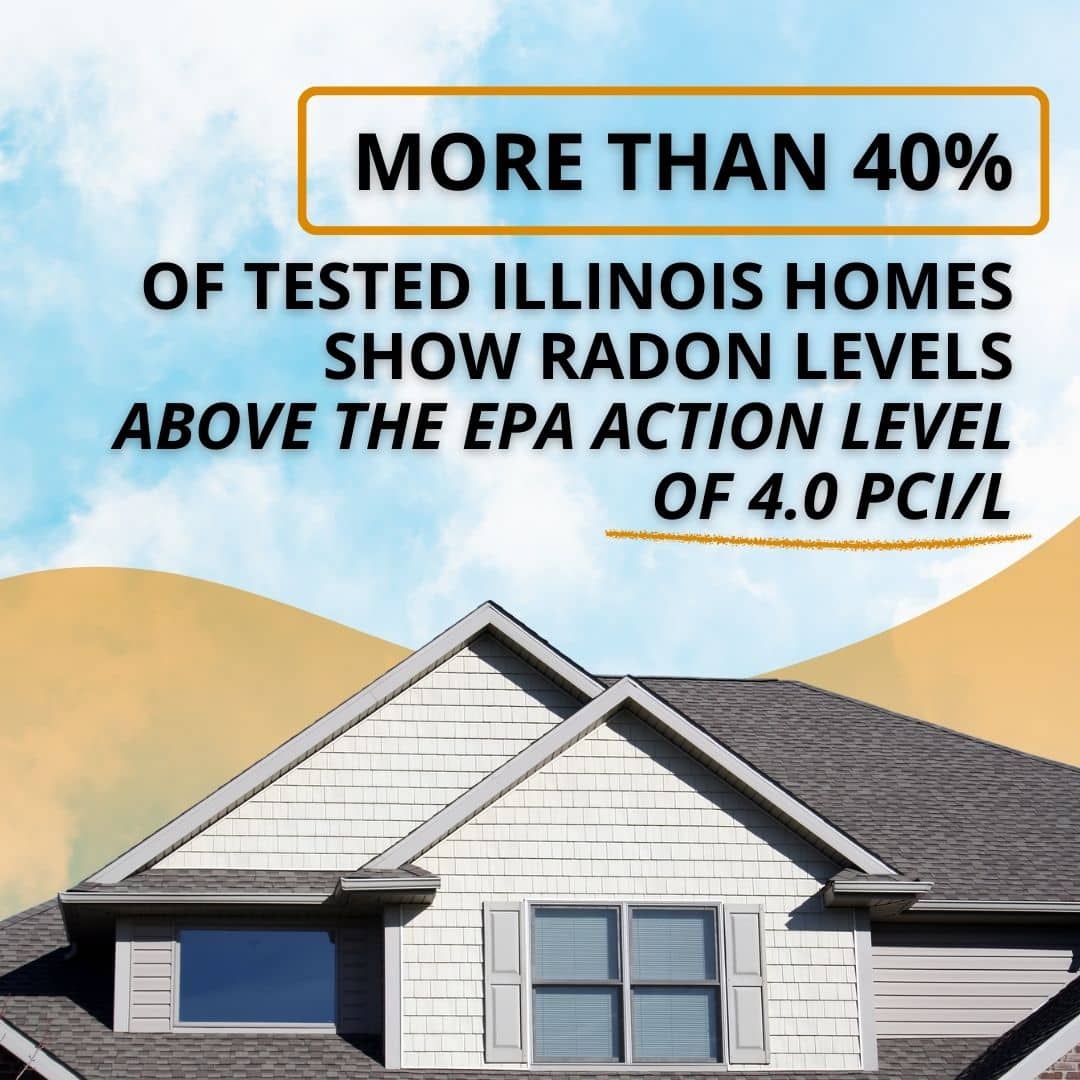
According to the Illinois Emergency Management Agency, about 41% of homes tested in Illinois show radon levels above the EPA action level of 4.0 pCi/L.
Naperville is located in a region where elevated radon is common due to the local soil composition. This means that a large portion of homes in our community either have or need a mitigation system.
Because radon is the second leading cause of lung cancer in the United States, managing these levels is about more than just a home inspection report. For homeowners in this area, a functional radon fan is the primary defense against this invisible threat.
Understanding how these fans perform over time is a vital part of protecting your investment and your family.
How a Radon Fan Protects Your Home
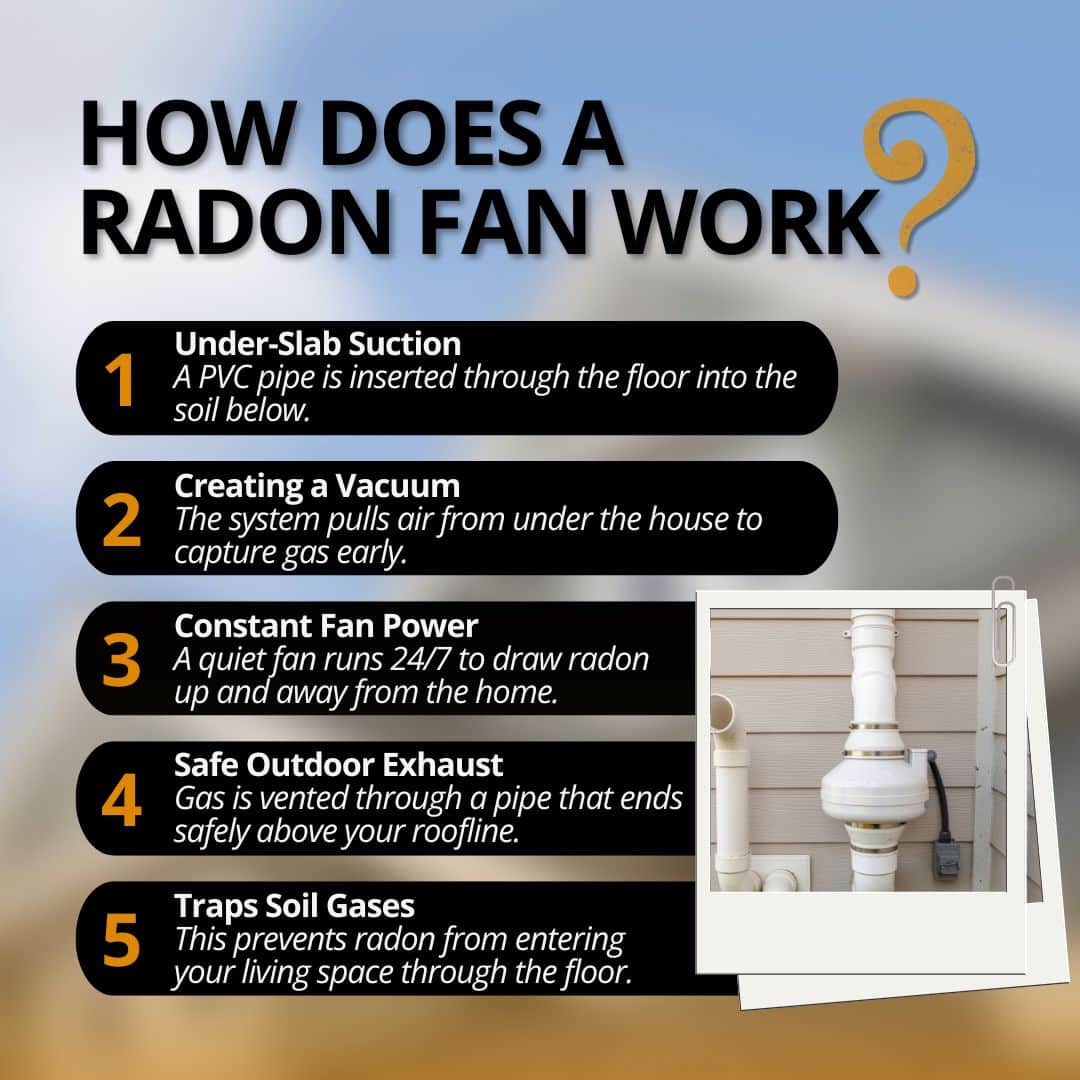
A radon fan does not just move air around a basement. It is the engine of a system called active soil depressurization. This system changes the air pressure relationship between your home and the soil beneath it.
The fan connects to a PVC pipe that goes through the floor into the soil or gravel under the foundation. The fan runs 24 hours a day to create a constant vacuum. This pulls the gas out of the dirt before it can enter your home through cracks or sump pumps. The fan then sends the gas through a vent pipe and releases it safely into the air above your roof line.
Can a Fan Truly Lower Radon?
Radon fans are incredibly effective. Most systems can reduce radon levels by 80 percent to 99 percent. In Naperville, where many homes feature basements or crawl spaces, these fans are the most reliable way to meet EPA safety standards.
If a home has a high initial reading, a properly sized radon fan can often lower that number to a safe level in as little as 24 hours. However, the system success depends on the power of the fan and how easily air moves through the soil under your specific foundation.
If you have tight clay soil, the fan has to work harder to maintain that vacuum. This is a common situation in Northern Illinois, making the quality of the fan even more important.
Why Professional Radon Testing is Essential
While a fan is a great tool, it is only as good as the testing used to verify it. Many homeowners ask if they can just use a store-bought test kit. While DIY kits exist, professional testing provides a level of detail and reliability that a simple kit cannot match.
| Feature | Professional Radon Testing | DIY Charcoal Kits |
| Reading Frequency | Hourly readings show trends | One average number only |
| Equipment Quality | Calibrated electronic monitors | Chemical reaction packets |
| Tamper Detection | Sensors detect moved devices | No way to verify honesty |
| Response Time | Results usually in 48 hours | Requires mailing to a lab |
Professional testing is often a requirement for real estate transactions in Illinois. Our monitors detect if windows were opened or if the device was moved, ensuring the results are honest and accurate. This level of detail is necessary when you are negotiating the sale or purchase of a home.
Signs That a Radon Fan Needs Attention
During a home inspection, we look for specific signs of system health. You can also perform a quick visual check on your own at any time.
-
Check the Manometer: This is the U-shaped tube on the pipe filled with colored liquid. If the liquid is higher on one side, the fan is creating suction. If the liquid is level, the fan is off or broken.
-
Listen for Noise: A healthy fan should hum quietly. If you hear loud rattling, grinding, or screeching, the motor bearings are likely failing.
-
Look for Alarms: Some modern systems have a light or buzzer that triggers if the pressure in the vent pipe drops.
Common Maintenance Issues with Active Systems
A radon fan runs 24/7, so it will eventually wear out. Most fans last between 7 and 10 years. In the Chicago suburbs, our extreme weather can put extra stress on these motors.
-
Worn Bearings: This is the most common cause of fan failure. It usually starts with a sound that gets louder over time.
-
Winter Ice: In cold Illinois winters, moisture can freeze inside the exhaust pipe. If the pipe cannot drain properly, ice can block the airflow.
-
Power Failures: Sometimes a breaker trips or a switch is accidentally turned off. This stops the system without the homeowner realizing it.
Beyond the Fan: The Value of Professional Testing
Radon testing is a diagnostic tool that reveals more than just a number. At Prospective Home Inspections, we use professional testing to evaluate the health of your home’s air and its physical defenses. Radon enters through the path of least resistance. High readings often highlight areas where your home is vulnerable to the soil.
- Foundation Gaps: Elevated levels often point to cracks in the slab or basement walls that need sealing to keep out gas, moisture, and pests.
- Sump Pump Seals: An open sump pit acts as a direct highway for radon. Testing helps identify if your pit needs a proper seal to maintain safety.
Other Strategic Health Checks
The data from a professional test helps you prioritize other essential maintenance.
- Sewer Integrity: In some cases, high gas levels enter through breaks in underground lines. Combining a radon test with a sewer scope inspection helps ensure your plumbing isn’t compromising your air quality.
- Moisture and Mold: Since radon and humidity often enter through the same gaps, testing is a smart first step before considering a Mold Inspection. This ensures your basement is truly a dry and healthy environment.
Common Questions to Explore
Should I test for radon even if the home is new construction?
Yes. Modern homes are built more tightly, which can actually trap radon gas inside more effectively. Even if a home has radon-resistant features, it still needs a professional test to ensure those features are working as intended.
Can radon enter through the sewer line?
Radon primarily comes from the soil, but cracks in sewer lines can provide an entry point. If you are concerned about the integrity of your underground pipes, a sewer scope inspection is the best way to identify hidden gaps or breaks that could compromise your air quality.
Is it normal to have a musty smell if I have a radon fan?
While radon fans help reduce moisture, they are not a cure for mold. If you smell dampness or see staining on the walls, you should consider professional mold testing to ensure your indoor air quality is truly safe for your family.
What happens if my home inspection report finds a dead radon fan?
If a fan fails during a real estate transaction, it is usually a straightforward repair. A licensed mitigation professional can typically replace a fan in under two hours. We provide the documentation you need to negotiate these repairs with the seller.
When to Contact a Professional
There are specific times when simply looking at your manometer is not enough. You should reach out for a professional test if you fall into any of the following categories.
- Managing a Real Estate Transaction: If you are buying or selling a home in Naperville, you need a certified report that meets Illinois disclosure laws. A DIY kit will not provide the legal protection or the accuracy required for a closing.
- Noticing New Foundation Cracks: Large cracks in your basement floor or walls can change the way air flows under your home. This can bypass your existing mitigation system and allow gas to enter new areas.
- Planning a Basement Remodel: Before you finish your basement with drywall and flooring, you must ensure your radon levels are safe. It is much harder and more expensive to fix a radon issue once the walls are closed up.
- Using an Older Mitigation System: If your radon fan is more than eight years old, it is nearing the end of its reliable life. A professional test can tell you if a loud or aging fan is still pulling enough vacuum to keep your levels below the 4.0 pCi/L limit.
Conclusion
Radon fans are highly effective at keeping Naperville homes safe. They stop gas from entering your home and vent it safely away. By checking your fan regularly and scheduling professional testing every two years, you protect both your health and your property investment.
If you are buying a home or need to verify your current radon levels, Prospective Home Inspections is here to help. We provide thorough inspections and professional radon testing throughout the Naperville area.
Our owner and head inspector brings decades of experience in construction and electrical work to every inspection. Contact us today to schedule an inspection or testing and ensure your home is a safe place to breathe.